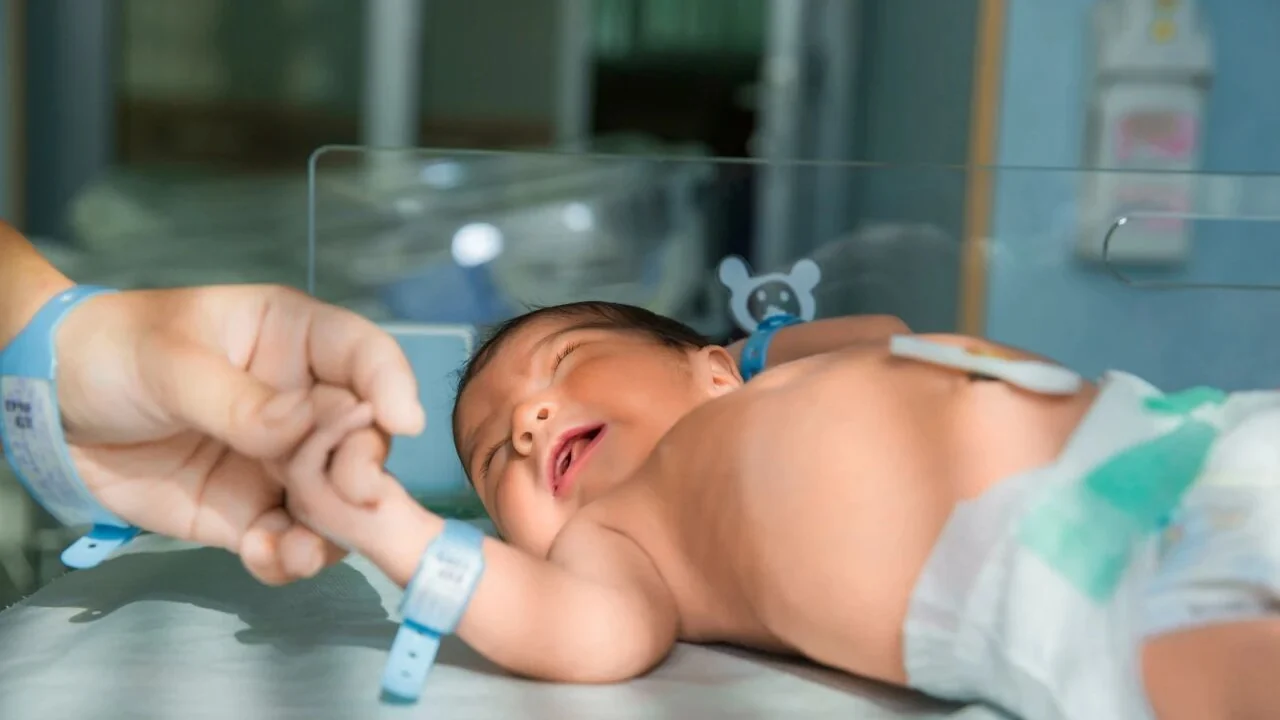
Premature birth has long been one of the central concerns of global paediatrics. This year the World Health Organization went further and added World Prematurity Day to the international health calendar — designating 15 November as the annual date, so that it does not collide with existing global health days.
The protection of these children now has a formal place in the global calendar.
The 2026 campaign slogan is Small babies, big potential. Invest in follow-up care to protect their future.
The first half is written for families. Arriving early does not define a life; every baby born too soon carries possibilities that are not yet visible. The second half is a call to action for the health system: discharge from the neonatal intensive care unit is not the finish line. What happens after discharge — the follow-up programme — is what determines how far a child can eventually go.
Which is exactly what Jiahui's neonatology department has been building. The goal is not only to send a baby home safely, but to make follow-up a discipline in its own right.
Why This Year's Theme Is About Follow-Up
Around 15 million babies are born prematurely worldwide each year — roughly one in ten. As neonatal care has improved, more and more of these small lives go home safely.
What many parents do not realise is that the first period after discharge is still a window in which a premature baby needs protection. Apnoea, infection, feeding difficulty, growth faltering, deviation in neurodevelopment — if these are picked up early in a structured follow-up visit and treated promptly, the great majority improve well.
The quality of follow-up directly rewrites a premature baby's trajectory. That is why the WHO theme for 2026 points at follow-up care, and why Jiahui's programme exists.
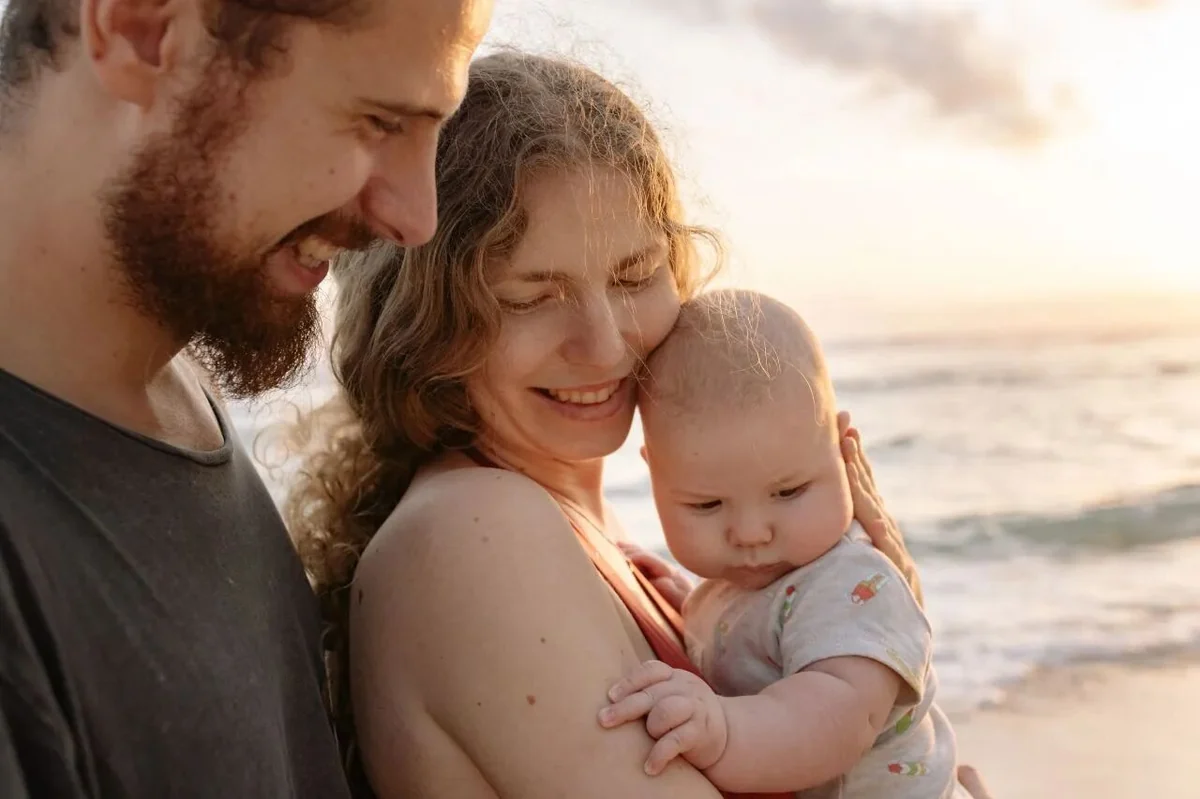
Arriving early does not define a life. The years after discharge do much of the defining.
A Chain That Starts Before Birth
Antenatal: thinking ahead
When a mother is assessed to be at risk of preterm delivery, Jiahui's obstetrics and neonatology teams activate together. Antenatal corticosteroids are given on a standard protocol to buy the immature lungs a precious window in which to mature. Infection is screened for and treated, an individual plan is written, and the neonatal team is in position before the baby is born.
Birth: the golden minutes
The warmer is pre-heated. Air-oxygen mixers and CPAP are ready. Intravenous access is established in parallel. Every action is fast, precise and gentle, because the point is to catch a very small person who could not wait.
In the NICU: parents as part of the team
Jiahui's NICU runs a Family Integrated Care model, which deliberately breaks with the traditional closed-door approach. Parents can come in every day to do kangaroo care, to feed their baby themselves, and to take part in every care decision.
The evidence behind that “being together” is measurable: babies gain weight faster, come off respiratory support sooner, have higher rates of exclusive breastfeeding, and their parents are significantly less anxious after discharge.
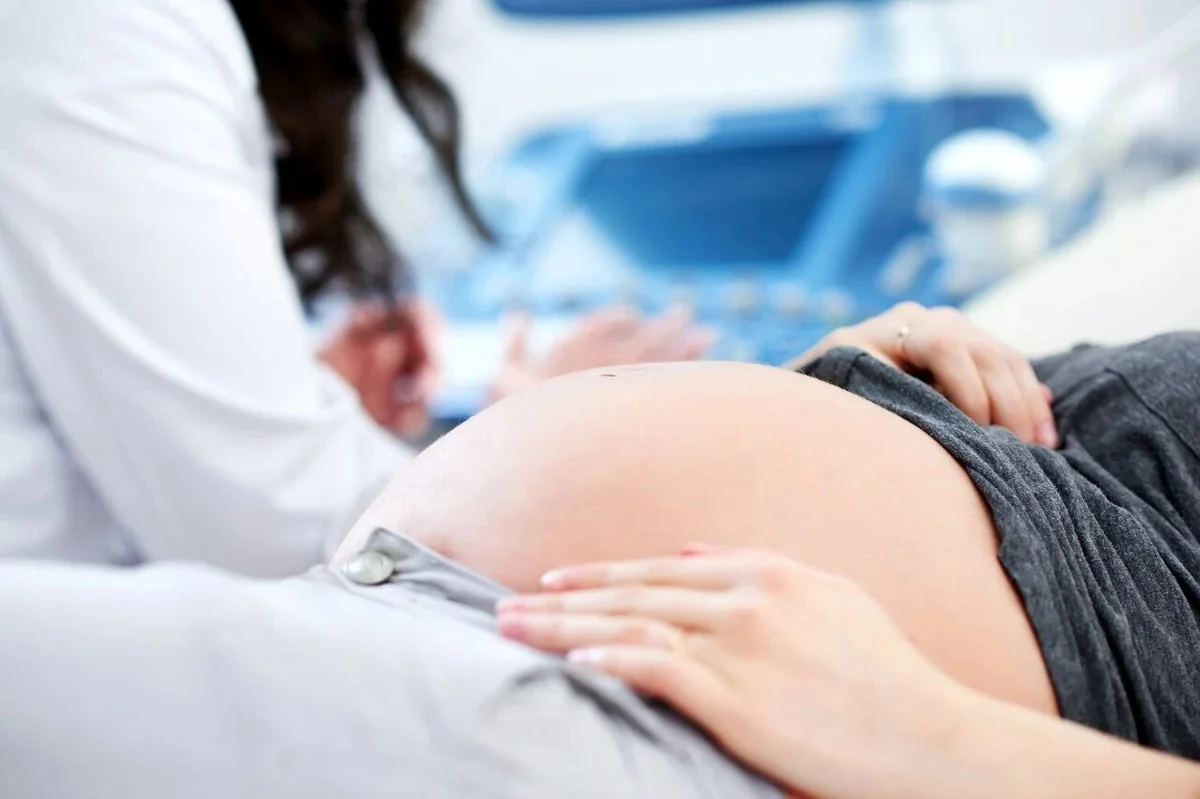
Antenatal corticosteroids, infection screening and a plan written before delivery are what give a preterm baby a better start.
Discharge: the protection is only starting
Every premature baby at Jiahui gets a tailored discharge transition: a discharge assessment, feeding guidance and a follow-up schedule arranged in one go, so that the road home is calm and well-marked.
What a Real Follow-Up Programme Contains
If acute care tests technical depth, follow-up tests system depth. Jiahui's premature baby clinic answers the 2026 theme with a set of concrete capabilities.
A dedicated 1–24 month programme, one doctor throughout
From birth to 24 months corrected age — the two years in which a premature baby's development matters most — each baby is followed by a single senior doctor, one to one, with a personalised health record. The doctor knows the baby's nickname, the last set of measurements and the feeding details. It is not a different clinician starting from scratch at each visit; it is continuous, companion-style care.
Brain, heart, hearing and vision: one appointment
Premature babies need particular attention paid to four systems: brain, heart, eyes and ears. At Jiahui, cranial ultrasound, cardiac assessment, hearing screening and fundus examination can all be booked on one platform, so parents are not carrying a newborn between hospitals. Results are shared across disciplines, and one visit produces a multi-dimensional assessment.
Retinopathy of prematurity screening with a senior specialist
Screening for retinopathy of prematurity is the single most important item in follow-up for the smallest babies. Jiahui's ophthalmology service brings in a senior visiting specialist with extensive screening experience, and appointments are straightforward to arrange.
Hearing testing without sedation
Many hearing tests require a baby to be sedated. Jiahui uses auditory brainstem response testing, which can be completed while the baby sleeps naturally — no sedation, safer, and easier for parents.
Individual immunisation assessment
Can a premature baby be vaccinated? Which vaccines can be given on schedule, which should wait, and how should the catch-up be planned? The follow-up clinic provides an individual immunisation assessment and a tailored schedule — protection that neither falls short nor overshoots.
Senior clinicians and a calm environment
Follow-up is led by senior neonatologists working with child health, ophthalmology, ENT, nutrition and rehabilitation colleagues. There is a separate clinic area and an appointment system, so that waiting time is spent on professional conversation rather than in a queue.
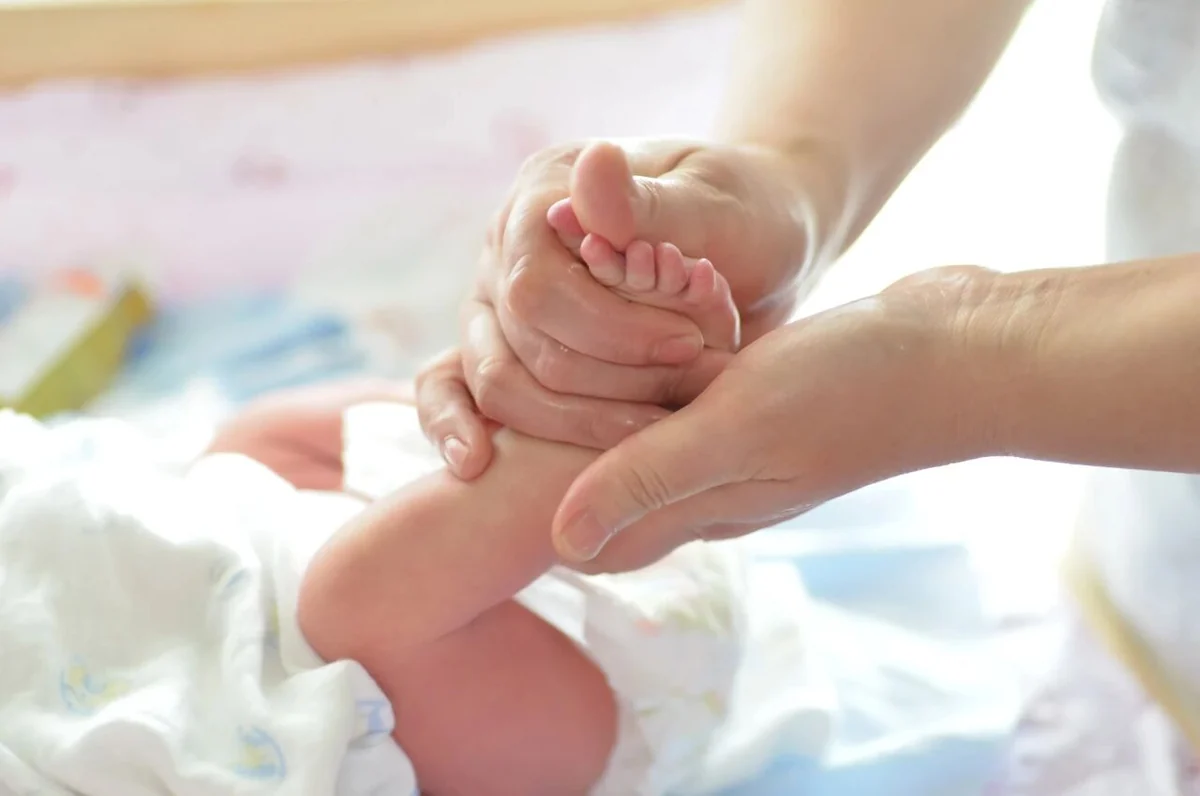
From birth to 24 months corrected age, one senior doctor follows each baby — the same pair of hands, the same record.
Hundreds of Babies, Different Endings
Since the department opened, Jiahui's neonatology team has cared for several hundred premature babies. One was born at 26 weeks and 3 days, weighing 860 grams; that small fighter is now tracking steadily along their own growth curve. Another, who once could not breathe without support, now laughs out loud in the follow-up clinic.
Behind each of those catch-up growth charts is a complete loop: intensive care during the stay, and structured follow-up after it.
The 2026 theme says that investing in follow-up care is investing in a child's future. At Jiahui that is not a slogan; it is what a group of doctors, nurses and therapists do every day — because small babies do carry big potential, and professional protection is what lets that potential arrive on time.

Family Integrated Care is not a courtesy to parents. It measurably changes weight gain, respiratory support and breastfeeding rates.
What This Means for International Patients
- Ask for the corrected-age plan in writing. Follow-up for a premature baby is scheduled by corrected age, not calendar age. Ask for the visit schedule, the screening items and the growth targets before you travel home.
- Consolidate the four system checks. Brain, heart, hearing and vision assessments can be completed in a single coordinated visit, which matters a great deal for families flying in.
- Plan remote review between visits. Growth measurements, feeding records and interval reports can be reviewed remotely, with in-person visits reserved for the examinations that genuinely need to be done on site.
About the Author
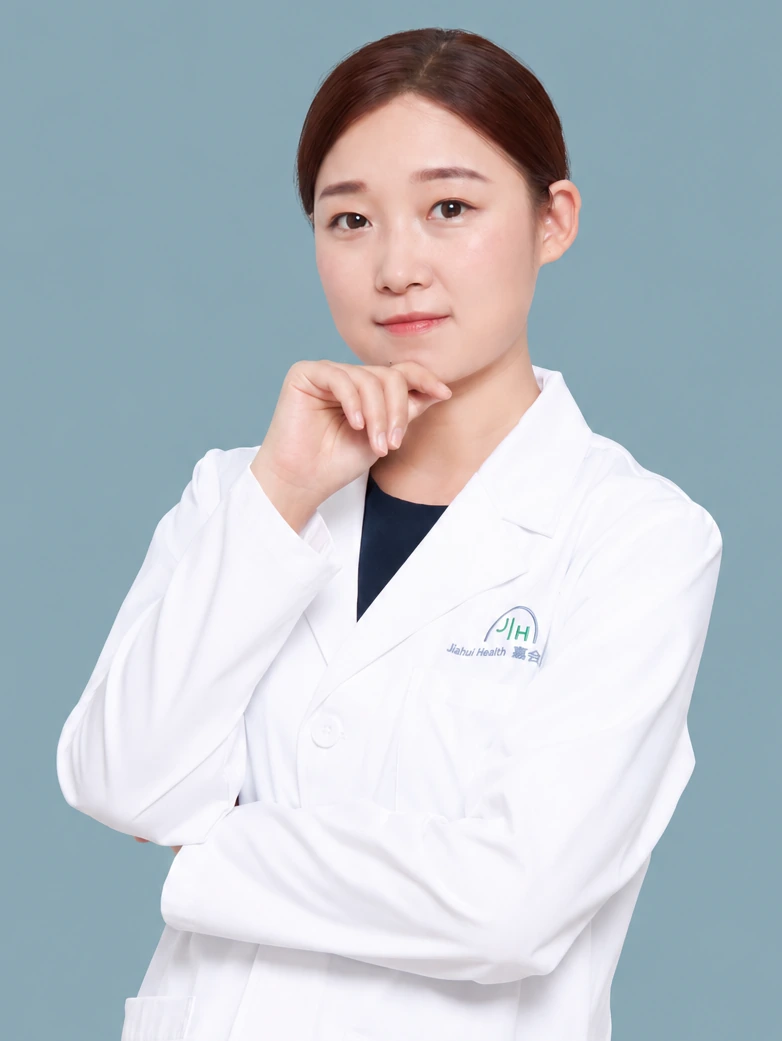
Hu Lan, MD, PhD
Director of Neonatology · Jiahui Health
Dr. Hu Lan is Director of Neonatology at Jiahui Health and Academic Director of the Children's Hospital of Fudan University medical consortium. She graduated from China Medical University in 2001 and completed her combined master's and doctoral training in paediatrics at Fudan University in 2007. In 2008 she trained in neonatology at the NICU of the Hospital for Sick Children in Toronto. She subsequently worked in the neonatology department of the Children's Hospital of Fudan University, and from 2017 has served as Academic Director of its medical consortium. Her clinical interests are critical neonatal resuscitation, preterm nutrition, assessment of brain development in premature infants and bedside cranial ultrasound; her research covers preterm brain injury and neuroprotection in extremely and very low birth weight infants.
The Jiahui neonatology team also includes Dr. Cai Yuhong, Dr. Wen Mao, Dr. Zhang Long, Dr. Mao Pengliang and Dr. Wang Xingwei.
A Follow-Up Plan for a Baby Who Arrived Early
Jiahui's premature baby clinic offers a structured programme to 24 months corrected age — growth and neurodevelopment review, cranial ultrasound, cardiac assessment, ROP screening, sedation-free hearing testing and individual immunisation planning. Our international patient team speaks more than 20 languages.
Request a ConsultationDisclaimer: This article is based on content originally published by Jiahui Healthcare (嘉会医疗) on WeChat. It is intended for general health education and does not constitute medical advertising, diagnosis or treatment advice. For diagnosis and treatment, please consult a physician in person.