
Diabetes is one of the fastest-growing chronic diseases in the world, and it is appearing at ever younger ages. In China, the incidence has climbed steadily and now shows three trends at once: it is younger, it is quieter, and it is ordinary. Large numbers of people spend years with abnormal blood glucose and impaired glucose tolerance without knowing it, and lose the best window for reversing it.
Diabetes is no longer a disease of old age. It is a public health condition that spans every age group.
Which is why finding it early, and providing continuous care once it is found, matters so much. Early intervention saves lives, improves health and reduces the cost of care.
November 14 is United Nations World Diabetes Day. For 2026–2027 the global theme is Act Early on Diabetes: a call to take screening, diagnosis and intervention seriously and early, to reduce the harm done by the disease and its complications.
Why “Act Early” Is the Whole Point
The danger of diabetes is not the discomfort of the moment. It is the damage that years of high blood glucose do across the whole body — silently, and irreversibly.
Poorly controlled glucose over the long term affects multiple organ systems:
- Kidneys. Diabetic nephropathy, which in its final stage becomes end-stage renal disease requiring dialysis.
- Retina. Diabetic retinopathy, the leading cause of blindness in adults.
- Blood vessels. Stroke, heart attack, peripheral arterial occlusion and diabetic foot.
- Nerves. Numbness of the hands and feet, reduced sensation, and wounds that will not heal.
- Reproductive and metabolic health. Higher risk of polycystic ovary syndrome, gestational diabetes and poor pregnancy outcomes.
The clinical consensus is blunt: prediabetes can be reversed, early diabetes can be controlled, and late complications cannot.
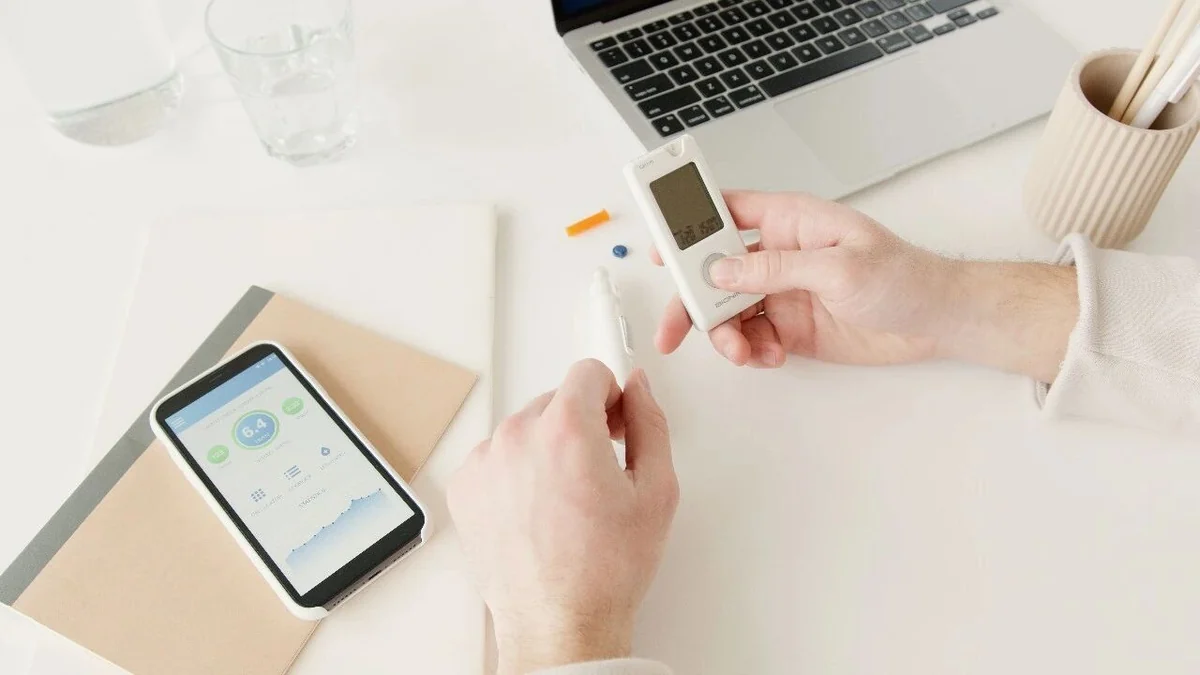
A fasting glucose test and an OGTT are what turn an invisible risk into a known number.
Who Should Be Screened
Many patients never develop the classic textbook picture of excessive thirst, hunger and urination with weight loss. Their glucose is already abnormal. For people at higher risk, regular screening is recommended — fasting plasma glucose together with an oral glucose tolerance test.
If the result is normal, repeat every three years. If the result shows prediabetes, repeat every year.
Adults should be screened if they have any of the following:
- A history of prediabetes
- Age 35 or over
- A BMI of 24 kg/m² or above, and/or central obesity (waist circumference 90 cm or more in men, 85 cm or more in women)
- A first-degree relative with diabetes
- A sedentary lifestyle with little physical activity
- A history of delivering a large-for-gestational-age baby, or of gestational diabetes
- A history of polycystic ovary syndrome
- Acanthosis nigricans
- Hypertension, or current antihypertensive treatment
- HDL cholesterol below 0.90 mmol/L and/or triglycerides above 2.22 mmol/L, or current lipid-lowering treatment
- A history of atherosclerotic cardiovascular disease
- Metabolic dysfunction-associated steatotic liver disease
- A history of pancreatitis
- HIV on antiretroviral therapy
- A history of steroid use
- Long-term antipsychotic or antidepressant medication
- A Chinese Diabetes Risk Score of 25 or above
For children and adolescents, screening is warranted when BMI is at or above the 85th percentile for age and sex, together with at least one of the following: the mother had diabetes during pregnancy, including gestational diabetes; a first- or second-degree relative has diabetes; or there is a clinical state associated with insulin resistance, such as acanthosis nigricans, polycystic ovary syndrome, hypertension or dyslipidaemia.
Four Myths Worth Retiring
“I feel fine, so I don't need my glucose checked.”
More than half of people with early diabetes or impaired glucose tolerance have no symptoms at all. By the time symptoms appear, beta-cell function is already seriously compromised.
“Diabetes just means eating too much sugar.”
Excess staple carbohydrates, refined carbohydrates, binge eating, prolonged sitting, obesity, late nights and chronic stress are all drivers of abnormal glucose — the modern lifestyle, not one ingredient.
“Once I'm on medication I can eat what I like.”
Medication is an adjunct. Diet, exercise and weight management are the foundation of glucose control. Without correcting the lifestyle, glucose will not stay in range over the long term.
“My glucose is normal now, so I can stop the medication.”
A normal reading is the result of treatment, not evidence that treatment is unnecessary. Stopping abruptly very often produces rebound and volatility, and accelerates complications.

Screening is not about symptoms. Half of early cases produce none.
What Actually Works
1. Eat to flatten the curve
Mix whole grains with refined ones, and cut back on white rice, white flour, congee and pastry. Eat vegetables first, then protein, then carbohydrates — a sequence that meaningfully lowers the post-meal peak. Avoid sugary drinks, bubble tea, desserts and late-night meals. Keep meals regular, and avoid binge eating.
2. Move after you eat
A moderate walk about half an hour after a meal — brisk walking, slow walking, stretching or housework all count — helps. Aim for at least 150 minutes of moderate-intensity activity a week, which measurably improves insulin resistance.
3. Monitor on a schedule
For the general population, screen glucose, HbA1c, lipids, liver and kidney function once a year. For people with prediabetes or diabetes, monitor fasting and two-hour post-meal glucose regularly, check HbA1c every three months, and screen annually for retinal, renal, vascular and neurological complications.
4. Follow the treatment plan
A diagnosis of impaired glucose tolerance or diabetes is not a reason for panic. With early, well-managed intervention, the great majority of people can live, work and plan a pregnancy normally, and some achieve remission. What must be avoided is delay, unproven remedies, and adjusting or stopping medication without advice.
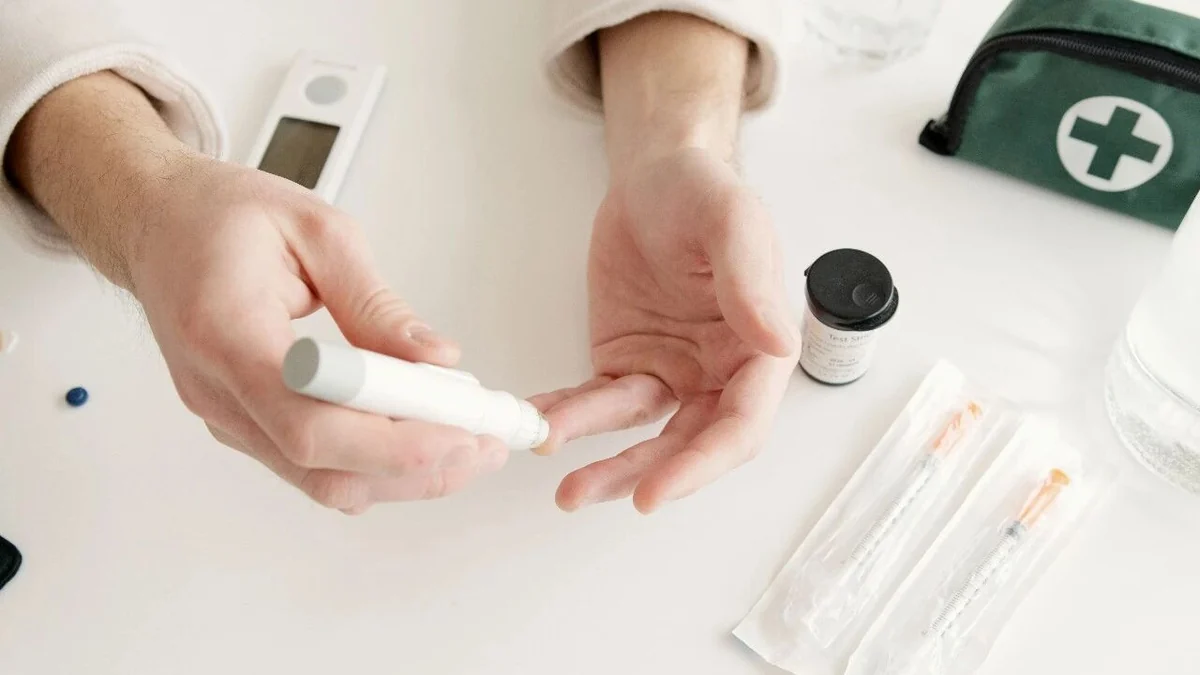
Home monitoring turns a three-month average into something you can act on this week.
What This Means for International Patients
- A metabolic assessment, not a single glucose reading. Jiahui's endocrinology and metabolism service covers diabetes and its acute and chronic complications, diabetic foot, thyroid disease, hyperuricaemia and gout, lipid disorders and osteoporosis, with HbA1c, continuous glucose monitoring and complication screening available on site.
- Bring your trend, not your last result. Previous glucose logs, HbA1c history, medication list, retinal screening reports and kidney function results are what allow a treatment plan to be adjusted sensibly in one visit.
- Ask about remission criteria. For people with recently diagnosed type 2 diabetes and excess weight, structured weight reduction can produce remission. It is worth asking whether you are a candidate.
About the Author
Gao Zhi, MD
Attending Physician, Endocrinology & Metabolism · Jiahui Health
Dr. Gao Zhi is an attending physician in endocrinology and metabolism at Jiahui Health, with years of specialist experience at tertiary hospitals in China. He trained in endocrinology and metabolism at Wuhan University of Science and Technology, where he completed a master's degree, and completed full internal medicine residency training before spending an extended period in the endocrinology department of the Ninth Medical Center of the Chinese PLA General Hospital. His clinical focus covers diabetes and its acute and chronic complications, diabetic foot, thyroid disease, hyperuricaemia, gout, lipid disorders, osteoporosis, and pituitary and adrenal disorders. He also practises insulin pump therapy, inpatient glycaemic management and thyroid fine-needle aspiration.
A Metabolic Check Before Symptoms Appear
Jiahui's endocrinology and metabolism team offers screening for diabetes and prediabetes, complication assessment and long-term glucose management, with laboratory and imaging work on site. Our international patient team speaks more than 20 languages.
Request a ConsultationDisclaimer: This article is based on content written by Dr. Gao Zhi of Jiahui Health's Department of Endocrinology and Metabolism and originally published by Jiahui Healthcare (嘉会医疗) on WeChat. It is intended for general health education and does not constitute medical advertising, diagnosis or treatment advice. For diagnosis and treatment, please consult a physician in person.