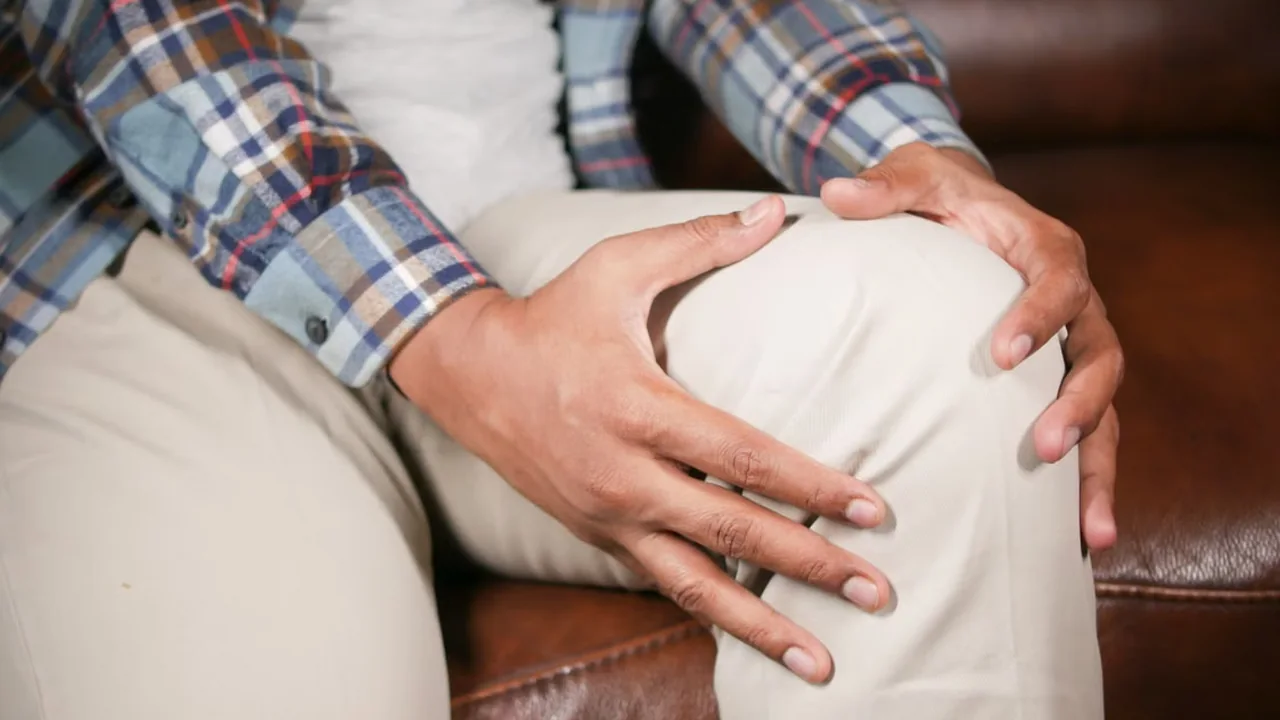
Most people picture gout as a big toe that turns red overnight. It is a fair picture — and an incomplete one. The knees and the fingers can be affected too. A flare can arrive within hours, with no warning at all. And when the underlying problem is left untreated for years, the attacks return more often, spread to more joints, and eventually leave deposits under the skin.
But the detail that matters most is quieter than any of that.
Gout does its real damage between attacks.
By the time a joint is swollen and burning, the inflammation is obvious. By the time it settles, the crystals that caused it are still there — still accumulating, still working on the cartilage and on the kidneys.
Below, Dr. Cui Yongping — attending physician in nephrology at Jiahui Health — walks through what gout actually is, how it progresses, and what daily management really requires.
Why Gout Happens: Crystals, Not “Rich Food” Alone
One of the central triggers of a gout attack is the formation of monosodium urate crystals. When the concentration of uric acid in the blood rises past its solubility limit, urate can precipitate out as fine, needle-shaped crystals.
They behave like tiny fragments of glass — and they tend to settle in joints that run slightly cooler than the core of the body. When the immune system recognises these crystals as foreign material and mounts an inflammatory response, the joint becomes red, swollen, hot and exquisitely tender. A review published in The Lancet likewise identifies urate crystals as a core driver of gout inflammation.[3]
This is why gout is not simply a matter of eating too well for a few weeks. Diet matters a great deal — but the disease is defined by a sustained urate burden, and that burden builds silently.
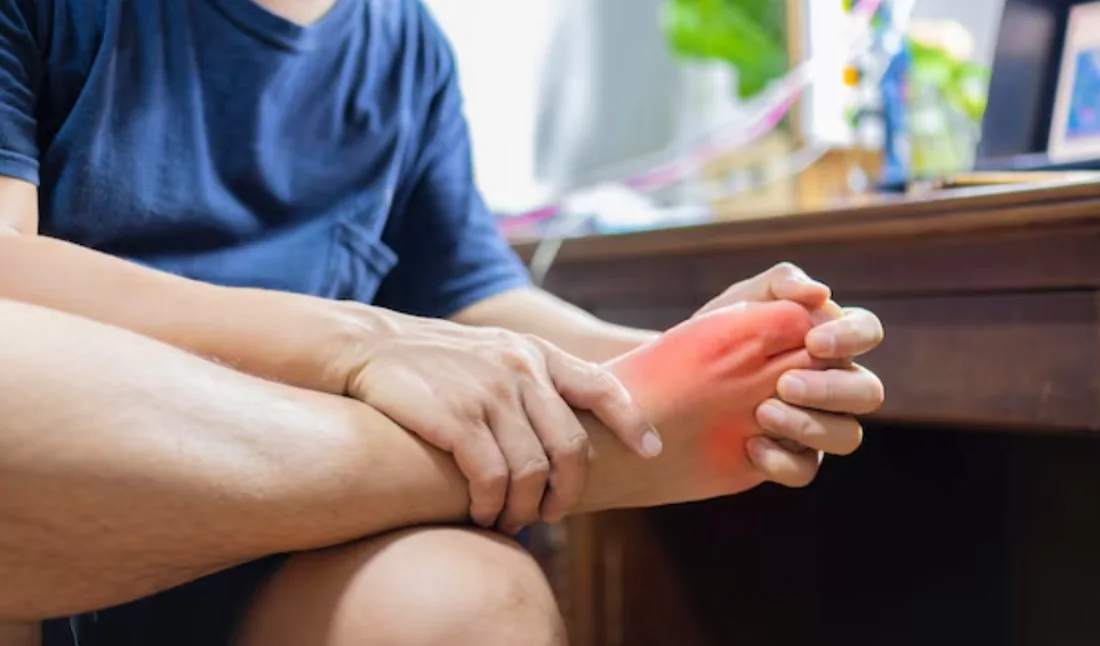
An acute flare: the big toe is the classic site, but the midfoot, ankle and knee are also commonly involved.
Three Stages, Three Different Risks
The first attack: why the toe?
The big toe is one of the most common sites of a first attack, along with the top of the foot and the ankle. These are lower-limb joints that sit far from the trunk, where local temperature runs lower and urate crystals deposit more readily. Pain often arrives abruptly, and can be severe enough to keep a patient awake half the night.
A first attack does not mean the disease is mild, and the location of the pain is no guide to whether a joint has already been damaged.
Prompt medical assessment helps bring the acute inflammation under control and sets the foundation for longer-term urate management. During a flare, do not rub or massage the joint, and do not apply heat — both tend to make the local symptoms worse.
Recurrent attacks: why other joints start to hurt
If gout keeps recurring and blood uric acid stays poorly controlled, crystals continue to deposit. The knees, elbows and other joints may become involved. At this stage the question is no longer only how long the pain lasts, but whether cartilage is being damaged and function is being lost.
As the disease advances, some patients develop joint stiffness and restricted movement. Gout is also closely tied to kidney health, and some patients develop uric acid stones. Beyond tracking blood uric acid, then, regular kidney function checks belong in the plan — before the next attack, not after it.
Long-term, poorly controlled: tophi and joint damage
When gout flares repeatedly over years and crystals keep depositing, the disease can involve multiple joints, and some patients develop tophi. A tophus is a nodular deposit of urate that forms under the skin, often on the ear or the elbow, and can distort joint structure and movement. In severe cases, joints become deformed.
At the same time, the risk of uric acid stones and other kidney damage deserves attention; in serious cases, kidney impairment can develop.[1][4] Some patients also carry hypertension alongside.
The point is straightforward. Waiting until joints are repeatedly involved and tophi have formed is waiting too long. Uric acid is worth watching from the beginning, with treatment sustained rather than restarted at each flare.
Five Areas That Decide Whether It Keeps Coming Back
Understanding the symptoms is only the first step. Gout management is not something you do during an attack — it is something you keep doing in between. Dr. Cui groups the daily work into five areas: food, exercise, rest, warmth and medication.
1. Food: limit purines, control fructose, stop alcohol, drink enough water
The core dietary principles are to restrict high-purine foods, control fructose, abstain strictly from alcohol, and drink adequate water.[2]
Eat freely — low purine, under 75 mg per 100 g:
- Vegetables: 500 g or more a day. Most vegetables are low in purine and are safe to eat — including spinach and cauliflower, which do not raise blood uric acid.
- Milk and dairy: 300 ml or more a day. Low-fat or skimmed milk and yoghurt may help lower urate; choose unsweetened varieties.
- Eggs: extremely low in purine — one a day is fine.
- Staples: rice, noodles, corn, sweet potato and potato, with some whole grains.
- Fruit: 200–350 g a day, favouring cherries and strawberries. Eat whole fruit rather than drinking juice — concentrated fructose raises urate.
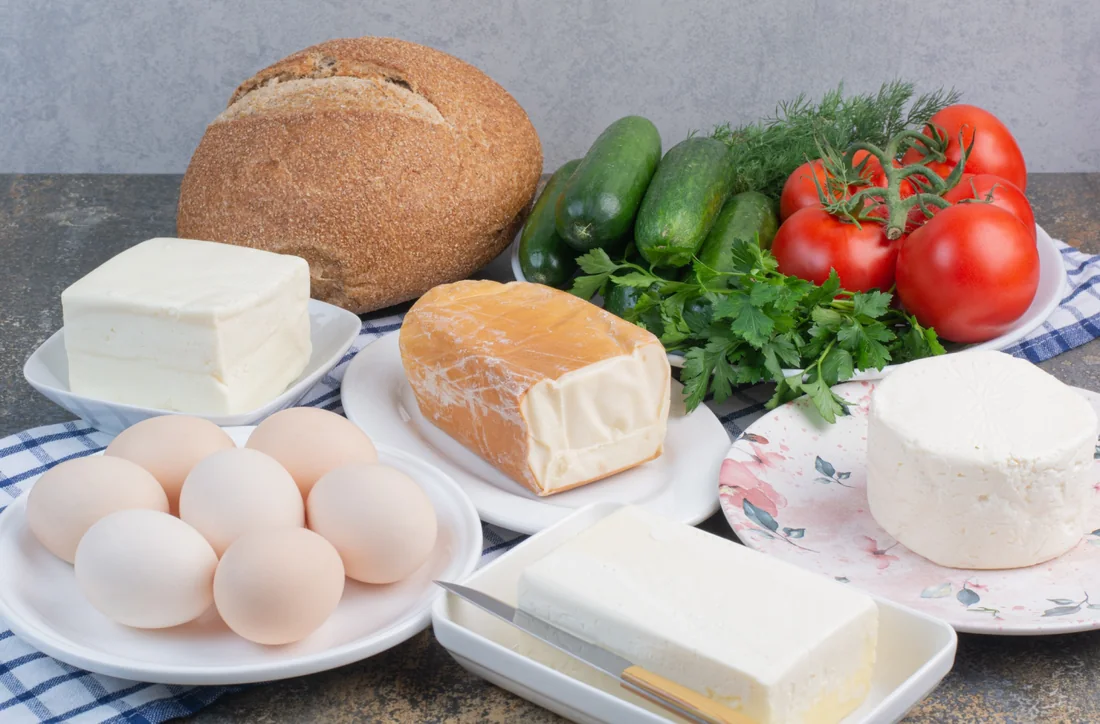
Low-purine staples — vegetables, dairy, eggs and whole grains — form the base of the daily plate.
Best avoided — high purine, over 150 mg per 100 g:
- Organ meats: liver, kidney, brain, and pork kidney dishes.
- Certain seafood: oysters, shellfish, sardines, anchovies, dried seaweed and dried laver.
- Concentrated broths: rich meat stock, slow-simmered soups, hotpot broth — purines leach into the liquid in large quantities.

Shellfish, small oily fish and concentrated broths are the highest-purine items on the table.
2. Water, alcohol and sugar — the part most people underestimate
Water. If heart and kidney function are normal, aim for 2,000–3,000 ml a day, plain water first. Weak tea, lemon water and unsweetened soda water are acceptable; strong tea and strong coffee are not. The practical target is roughly 2,000 ml of urine output a day, which is what actually helps clear urate.
Alcohol. Beer carries the highest risk, followed by yellow rice wine and spirits. Any alcohol suppresses urate excretion, and during an acute flare it should be avoided entirely.
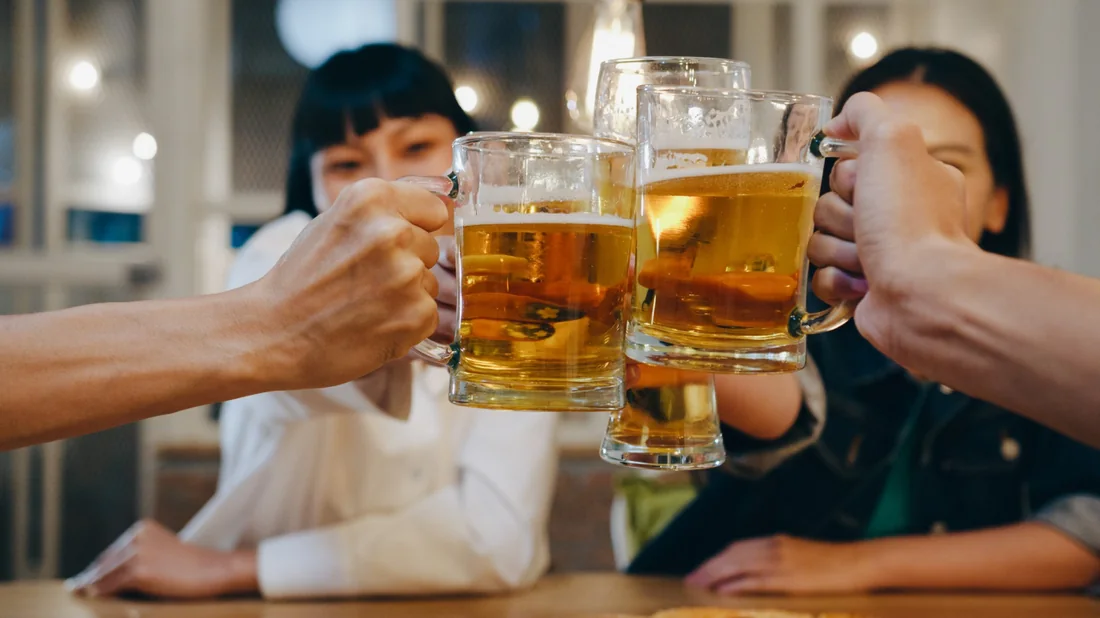
Beer is the highest-risk alcoholic drink for gout; all alcohol reduces urate excretion.
Fructose. Cola, milk tea, fruit juice, honey water and dried fruit should be strictly limited. Fructose promotes uric acid production, and sugary drinks are a frequently overlooked trigger — many patients never connect them to their flares.
3. Exercise: moderate and aerobic, never explosive
The core principle is to avoid sudden high-intensity exertion and choose gentle, aerobic activity. No exercise during an acute flare. During remission, exercise regularly and moderately, and lose weight slowly — rapid weight loss can itself precipitate an attack.[5]
Recommended: brisk walking, jogging, cycling, swimming, elliptical training, group dance and tai chi. Around five days a week, 30–45 minutes each session. The intensity test is simple — a light sweat and a faster heartbeat, but you can still hold a conversation without gasping.
Avoid: sprinting, competitive ball sports, heavy weightlifting, marathon running and high-intensity interval training. Profuse sweating and dehydration raise lactate, which suppresses urate excretion and readily triggers a flare.
Also avoid prolonged sweating without replacing fluids. If tophi or joint damage are already present, avoid jumping, hill climbing and excessive stair climbing, which add to joint wear.
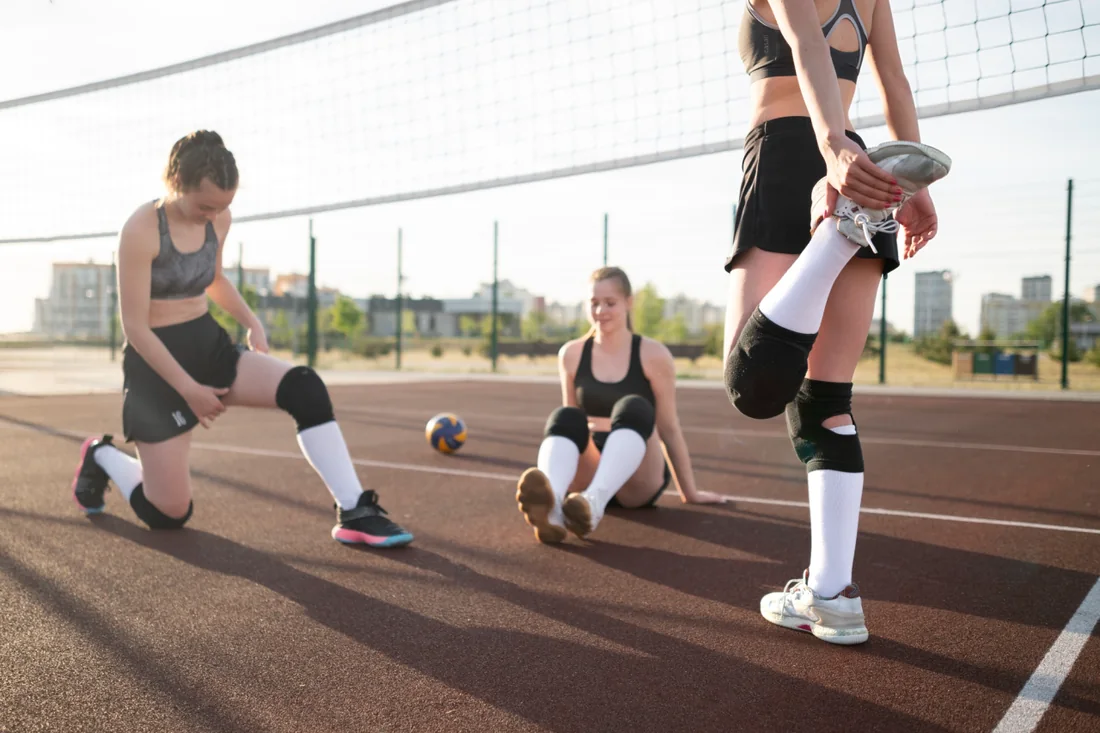
Gentle, aerobic and regular: the exercise pattern that helps rather than provokes.
4. Rest: full rest in a flare, regular hours in between
During an acute flare — a joint that is red, swollen, hot and painful — bed rest is the priority. Keep weight off the affected joint, walk and stand as little as possible, and elevate the limb above heart level to reduce swelling and pain.
As for timing, it is generally advisable to continue resting for 3–7 days after the pain has fully resolved before gradually resuming normal activity. Returning to full weight-bearing too early tends to bring the symptoms back.
In remission, keep regular hours, balance activity and rest, and avoid staying up late or overworking. Fatigue, late nights and insufficient sleep are common triggers. If pain is disrupting sleep, ask your doctor about appropriate pain relief rather than enduring it.
5. Warmth: protect the joints, not the whole body
Cold is one of the most common triggers of an acute attack. Lower local temperature in a joint makes urate more likely to crystallise, which sets off the redness, swelling and pain. The goal is not to sweat under blankets but to protect the limb joints and avoid sharp temperature swings.
Priority areas: toes, ankles, knees, fingers and wrists — the sites where gout most often strikes.
- Feet: wear socks, including thin cotton socks in bed; avoid walking barefoot on cold floors or washing feet in cold water; wear warm shoes and keep the ankles covered.
- Knees: in air-conditioned rooms or cold weather, wear a thin knee sleeve, and keep knees out of direct cold airflow.
- Hands: thin gloves in cold weather; minimise contact with ice and cold water.
Environment: do not let air conditioners or fans blow directly onto joints — especially while sleeping. In summer, keep indoor temperature around 24–26 °C rather than very low. At seasonal change, on damp or rainy days, or as night temperatures drop, add clothing promptly and keep hands and feet under the covers.
Avoid sharp temperature swings. Walking into cold wind or taking a cold shower while still sweating is a classic way to trigger a flare.
Dress in layers so clothing can be adjusted, dry off and change promptly after heavy sweating, and keep clothing loose rather than tight around joints, so circulation is not restricted.[5] Sweating followed by a chill is a double trigger.
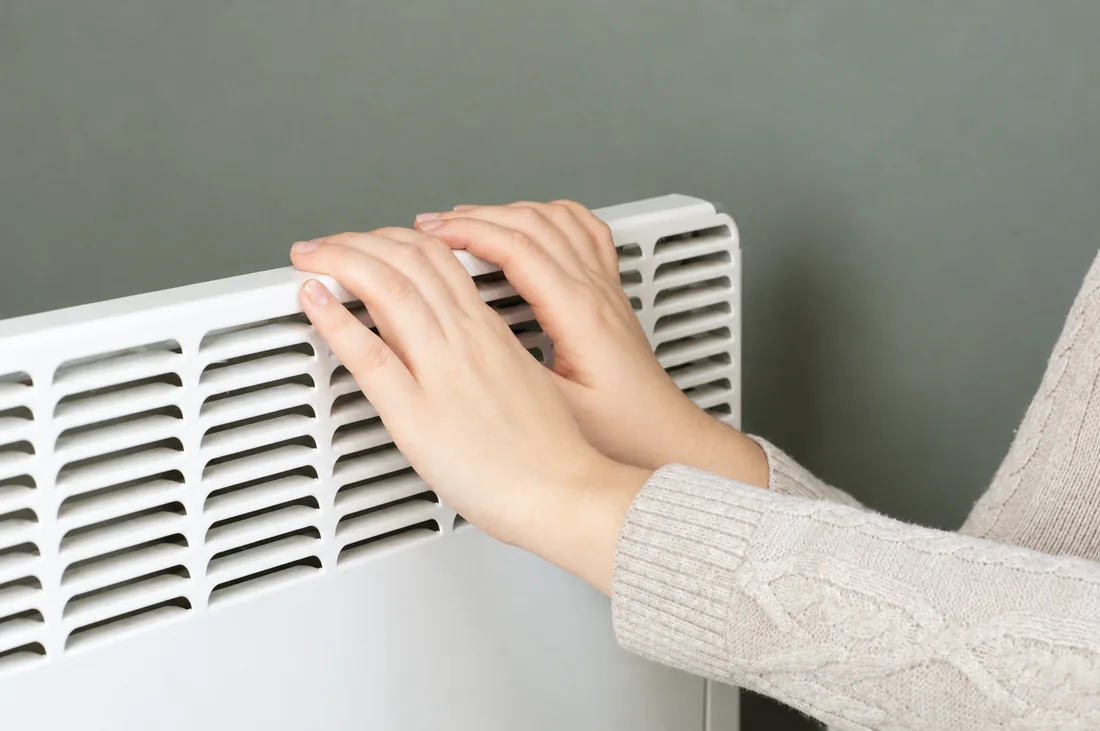
Keep peripheral joints warm and avoid sudden cold exposure — especially after sweating.
Medication: Two Very Different Jobs
Gout treatment falls into two categories, and confusing them is one of the most common reasons patients stay stuck in a cycle of flares.[1][4]
During an acute flare — stop the pain and the inflammation
Non-steroidal anti-inflammatory drugs (NSAIDs) — etoricoxib, celecoxib, diclofenac, ibuprofen. Start as early as possible in the attack, and do not stack multiple painkillers together. Use with caution in people with stomach, kidney or heart disease.
Colchicine — most effective within 24 hours of onset. Low doses are used; higher doses cause diarrhoea, nausea and vomiting. Reduce the dose in kidney impairment.
Biologic therapy — an IL-1–targeted biologic has been approved in China for acute gout, for adults in whom colchicine is contraindicated, not tolerated, ineffective, or unsuitable for repeated corticosteroid use.
An important caveat: biologics only resolve the inflammation of the current attack. They do not lower uric acid. Once the flare is over, urate-lowering treatment is still required — otherwise the attacks will return.
During remission — lower the urate and keep it there
The target is blood uric acid below 360 µmol/L, and below 300 µmol/L if tophi are present.
- To reduce urate production: febuxostat, which requires medical assessment in patients with a history of cardiovascular disease; or allopurinol, which carries an allergy risk — genetic testing may be advised where indicated.
- To increase urate excretion: benzbromarone, used with caution in kidney stones or severe renal failure; drink plenty of water while taking it.
- Supportive: sodium bicarbonate to alkalinise the urine and help prevent kidney stones, with urine pH monitoring and caution in hypertension and kidney disease.
The three-line rule Dr. Cui gives his patients
Treat the pain when it hurts; lower the urate when it does not.
Urate-lowering medication is taken long term — do not stop it on your own just because the number looks normal.
Keep your follow-up appointments: liver and kidney function and uric acid all need to be tracked.
What This Means for International Patients
Gout is one of the most treatable chronic conditions in medicine — provided the urate target is actually reached and held. Three practical points are worth knowing before travelling to Shanghai for assessment.
- A dedicated clinic exists. Dr. Cui sees patients through Jiahui's Gout and Hyperuricemia Clinic as well as nephrology and rheumatology, so evaluation and long-term urate management happen in one place rather than being split between specialties.
- Bring your numbers and your imaging. Recent blood uric acid values, kidney function, and any joint ultrasound or dual-energy CT images make a first consultation far more productive. If tophi or joint damage are suspected, imaging is usually needed before a treatment plan can be set.
- Plan for follow-up, not a single visit. Urate-lowering therapy needs titration and monitoring, typically uric acid and kidney function checks after starting or adjusting treatment. Remote follow-up and medication guidance can usually be arranged for patients who return home.
A final point that Dr. Cui returns to repeatedly: the absence of pain is not evidence that the disease has gone. The joint that feels fine today is the one most worth protecting.
About the Author

Cui Yongping, MD
Attending Physician, Internal Medicine (Nephrology) · Gout and Hyperuricemia Clinic · Jiahui Health
Dr. Cui graduated in 2002 from the seven-year clinical medicine programme at Nankai University School of Medicine, earning a master's degree in internal medicine. Before joining Jiahui, he was an attending physician in nephrology and rheumatology at Shanghai Sixth People's Hospital. He has nearly 20 years of clinical experience, with particular expertise in urinary tract infection, kidney stones, hyperuricemic nephropathy, chronic glomerulonephritis, diabetic nephropathy and hypertensive nephropathy, as well as the surgical establishment of vascular access and dialysis management for end-stage kidney disease. In rheumatology, he treats gouty arthritis, ankylosing spondylitis, rheumatoid arthritis, systemic lupus erythematosus and vasculitis.
Recurrent Gout Flares? Get the Urate Target Right.
Jiahui's nephrology and rheumatology team offers urate assessment, imaging, and long-term management planning — including remote review of records before you travel. Our international patient team speaks more than 20 languages.
Request a ConsultationDisclaimer: This article is based on content originally published by Jiahui Healthcare (嘉会医疗) on WeChat, written by the Internal Medicine nursing team and reviewed by Dr. Cui Yongping. It is intended for general health education and does not constitute medical advertising, diagnosis or treatment advice. For diagnosis and treatment, please consult a physician in person.
References
- Chinese Society of Endocrinology, Chinese Medical Association. Guidelines for the diagnosis and treatment of hyperuricemia and gout in China (2019). Chinese Journal of Endocrinology and Metabolism. 2020;36(1):1–13.
- National Health Commission of the People's Republic of China. Dietary guidelines for adults with hyperuricemia and gout (2024 edition). Published 4 February 2024.
- Dalbeth N, Gosling AL, Gaffo A, et al. Gout. The Lancet. 2021;397(10287):1843–1855.
- Chinese Rheumatology Association. Standards for the diagnosis and treatment of gout (2023). Chinese Journal of Internal Medicine. 2023;62(9):981–993.
- Writing Group of the Practical Guidelines for Patients with Hyperuricemia/Gout. Practical guidelines for patients with hyperuricemia and gout. Chinese Journal of Internal Medicine. 2020;59(7):519–527.