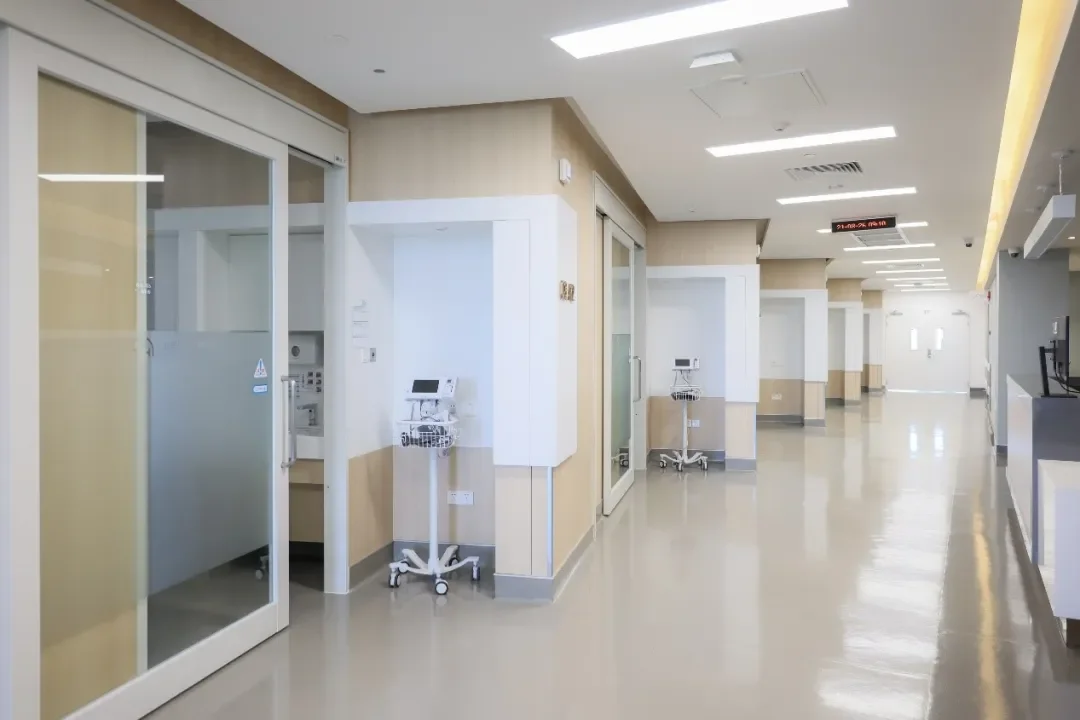
"In hospital, we often face one question: which department should I register with? When one symptom may hide many causes, and one treatment requires many hands, traditional single-department care can leave patients feeling helpless." — Jiahui Healthcare, Adult Internal Medicine Inpatient Unit
SHANGHAI — Research has shown that specialist wards hold the advantage for relatively straightforward, single-organ disease. But for multi-system comorbidities — especially in older adults — comprehensive internal medicine wards often deliver better outcomes.
At Shanghai Jiahui International Hospital's Adult Internal Medicine Inpatient Unit, the philosophy is simple: modern medicine is not about "treating the head when the head hurts and the foot when the foot hurts." It is about treating the patient as a whole person.
Every story below was initiated and coordinated by a hospitalist — a physician who specializes in caring for hospitalized patients — acting as the thread that ties together a full Multidisciplinary Team (MDT) around the patient, from admission to discharge.
Story One: A 91-Year-Old's Post-Surgical Gauntlet
Grandpa H, 91, had hip surgery at another hospital. His family originally sought only post-operative rehabilitation at Jiahui. But before the incision had even healed, a cascade of problems emerged: leg blood clots, pneumonia with high fever, and nighttime delirium — a daunting combination for any family.
Jiahui's physicians assessed that the complex internal medicine problems were more urgent. They immediately activated the "Internal Medicine + Rehabilitation Co-Management" model: Dr. Liu Qiaorui (刘巧蕊) from Internal Medicine led the medical side — precise medication, infection control, clot management, delirium treatment — while rehabilitation therapists worked in parallel to safely restore lung function and limb mobility.
Under the MDT's coordination, his recovery advanced steadily. Once stable, he transferred to Rehabilitation for intensive training. Throughout, he was never "bounced between departments." One coordinated team kept him at the center — and the team, not the family, handled all the coordination, sparing his relatives the exhausting relay between specialties.
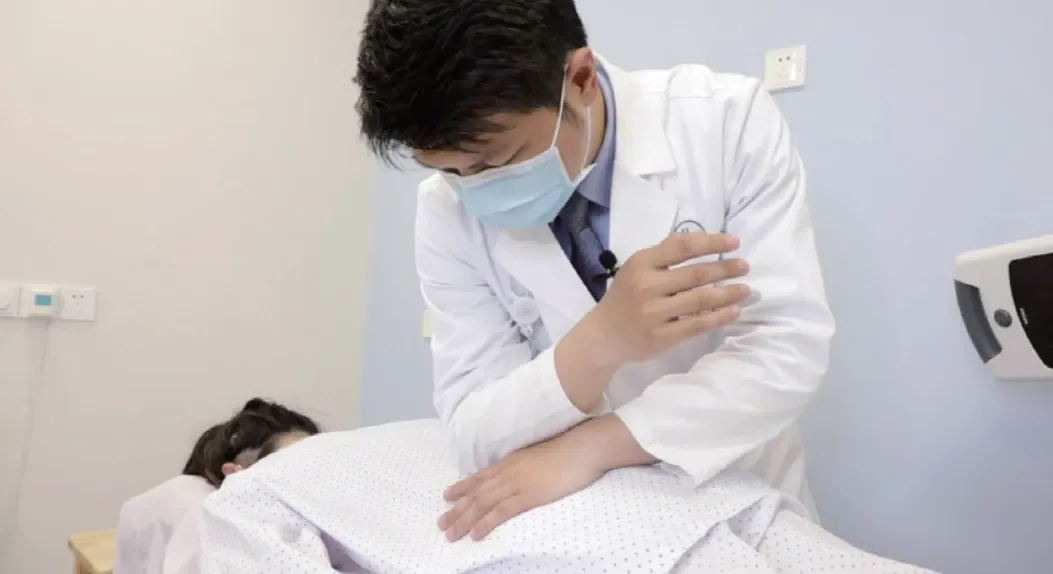
Story Two: Solving the "Mystery Illness"
Uncle J had been tormented by persistent nausea and vomiting for more than half a year. He had sought care everywhere; scans and scopes repeatedly found nothing seriously wrong with his stomach or intestines.
At Jiahui's inpatient unit, the team did not stop at the digestive symptoms. Through deeper conversations with both the patient and his family, Dr. Deng Fangfei (邓芳菲) made the key discovery: Uncle J's cortisol level was extremely low. This vital hormone's deficiency causes whole-body discomfort that mimics a "mystery illness" — and in older adults, the presentation is atypical and easily overlooked.
Dr. Deng also noticed something else: Uncle J's loneliness and unspoken worries were amplifying his symptoms. He did not want to burden his busy son, so he kept everything inside — a vicious cycle.
With the diagnosis clear, treatment became targeted: endocrinology delivered hormone replacement therapy, addressing the root cause physiologically, while hospitalists and nurses provided daily communication and emotional support, and encouraged the family to offer more companionship. Soon, the nausea disappeared — and his appetite and mood returned.
"Patient listening and systematic investigation sometimes reach the core of an illness more effectively than the most expensive machines."
Story Three: From Bedbound to Walking Freely
Ms. M, 72, arrived at Jiahui profoundly weakened: long-term low mood had destroyed her appetite, severe osteoporosis made her back pain unbearable, she was anemic, and she carried the aftermath of a stroke from years earlier. On admission, she depended on a nasogastric feeding tube for nutrition.
Looking only at the osteoporotic back pain, orthopedics would seem sufficient. But Dr. Wang Cuicui (王翠翠) saw a whole person struggling in body and mind. The team she assembled: orthopedics and endocrinology to strengthen her bones, a dietitian to design a precise nutrition plan, a psychologist for patient counseling and companionship, and the rehabilitation team to encourage and support her.
Crucially, the team worked with "whole-person thinking" — specialists did not merely offer one-off consultations; they jointly followed the execution of the plan. And the staff learned to respect her pace, caring for her like family and gradually encouraging her back into familiar life.
After a period of integrated treatment and rehabilitation, Ms. M's feeding tube was removed and she could eat independently. Her pain decreased significantly, and her mobility and willingness to socialize steadily returned. Her recovery was the result of nourishing body and spirit together.
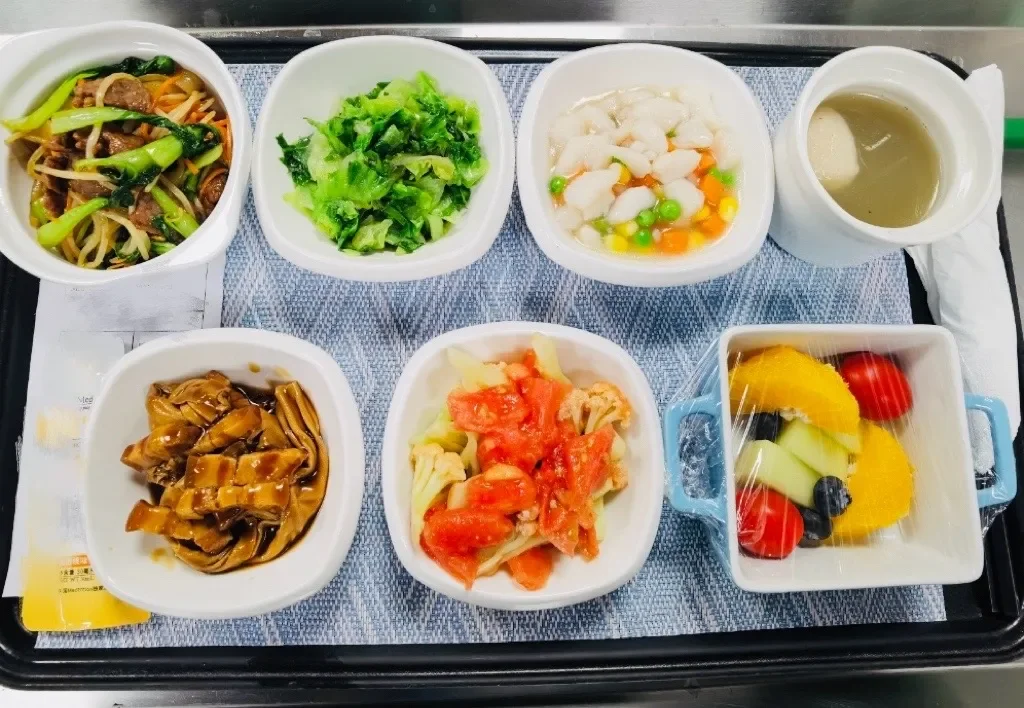
Story Four: When No Antibiotic Worked
Grandpa X's story was the most dramatic. Admitted with aspiration pneumonia and a urinary tract infection, he was found to carry multiple multidrug-resistant bacteria — meaning the commonly used antibiotics had all failed. The few remaining effective drugs could not be used because of his renal insufficiency. He had fallen into a genuine "no drug left to try" predicament.
Even after conventional options were exhausted, Jiahui's team did not give up. Dr. Zhao Yanwei (赵言玮) used precise pathogen identification to match him with an emerging therapy: phage therapy — viruses that precisely infect and kill specific bacteria. After thorough communication with the family, Grandpa X enrolled in a clinical trial. Under the combined treatment of bacteriophages and synergistic antibiotics, within just three days, the drug-resistant bacteria in his lungs were cleared and the infection came under control.
The case demonstrates what an internationally benchmarked comprehensive hospital can do for complex, critical patients: integrate international medical resources to find new hope in seemingly hopeless situations.
Your Multidisciplinary "Health Steward"
Four stories, four very different diseases — one shared philosophy: here, you do not need to hunt for the right department. Professional physicians assemble a complete expert team around you.
In Jiahui's inpatient unit, a hospital stay is not merely a bed. It is a patient-centered, "custom-built" medical team covering every relevant specialty — including nurses, pharmacists, dietitians, rehabilitation therapists, and coordinators.
- 24 hours a day, 7 days a week — uninterrupted medical coverage including nights, weekends, and holidays
- Cross-cultural communication — physicians build effective relationships with patients from China and abroad, in multiple languages
- Systematic inpatient care — health assessment and medical support centered on the patient, with a focus on complex diagnosis and comprehensive, systemic treatment
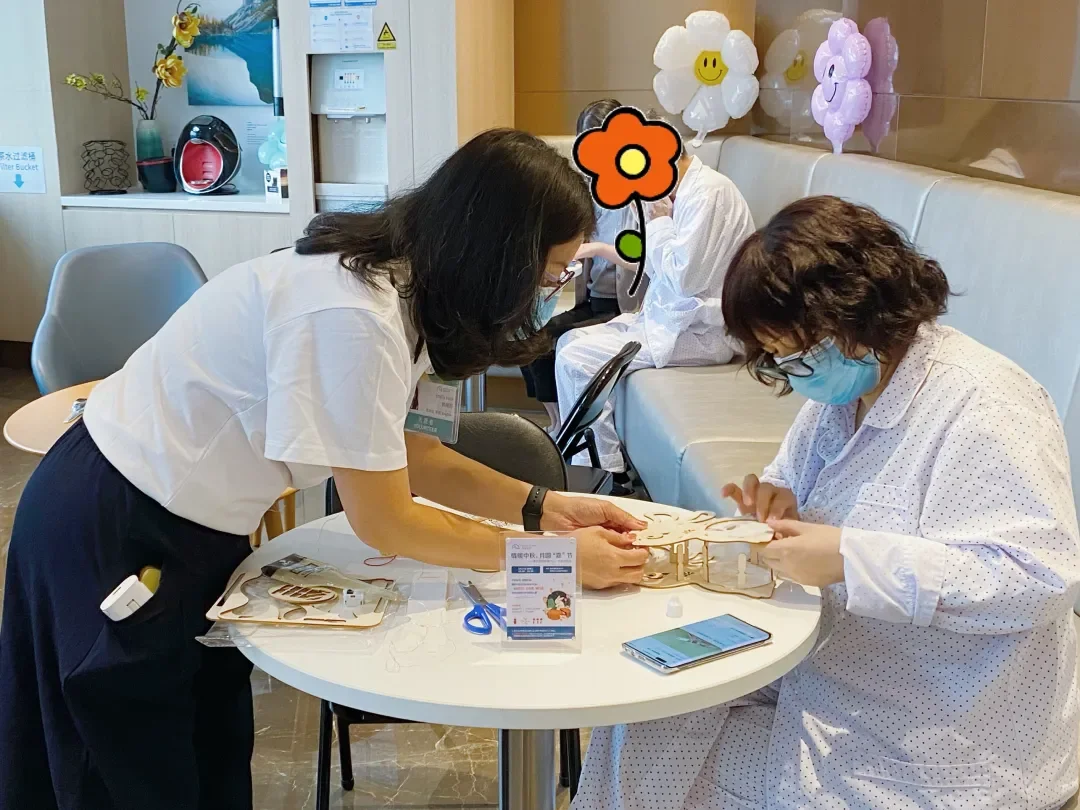
Care at Jiahui extends beyond medicine — therapeutic activities support recovery of mood and spirit alongside the body.
Together they diagnose, plan, and follow through — ensuring that medical expertise and humanistic care are never separated. Because Jiahui believes this is the true way to meet complex health challenges, and the most solid practice of "patient-centered care."
What This Means for International Patients
- Hospitalist coordination. One accountable physician orchestrates every specialist around your case — no self-navigation required.
- Complex comorbidity expertise. Multi-system disease in older adults is precisely the scenario where comprehensive internal medicine wards outperform fragmented single-department care.
- Access to frontier therapies. From phage therapy trials for drug-resistant infections to structured co-management models, Jiahui integrates international resources when standard options run out.
- Whole-person recovery. Nutrition, rehabilitation, psychology, and nursing are part of the standard team — not optional add-ons.
Complex Inpatient Needs? One Team, Assembled Around You.
Whether for post-surgical recovery, complex comorbidities, or a second opinion on a difficult diagnosis, Jiahui's hospitalist-led teams provide integrated, internationally benchmarked inpatient care. Contact us to learn more.
Request a ConsultationDisclaimer: This article is based on content originally published by Jiahui Healthcare (嘉会医疗) on WeChat. Patient details are shared with consent and have been anonymized. This content does not constitute medical advice.