
For most of modern medical history, an invisible bias has shaped what we know. The great majority of human research was conducted on men, and the results were assumed to apply to women and children. In parallel, “women's health” was treated as a synonym for reproductive health and gynaecology — as though a woman who is not having children and has no gynaecological complaint needs no particular attention paid to her body.
Both assumptions are now being dismantled.
In early October, the journal Science published a special issue titled “A Lifelong Focus on Women's Health.” Through a series of reviews, it sets out just how complex female health is. The issue breaks the equation of women's health with reproductive health, and follows the differences down to the molecular level: the sex chromosomes themselves, the hormonal upheaval of menopause and ovarian ageing, and the sex-specific immune mechanisms behind chronic pain.
The central argument is straightforward. As biomedical science has advanced, the evidence that many diseases differ by sex has become hard to ignore — and those differences are not confined to the reproductive system. They run through the entire female lifespan.
Which means women's health research should not stop at reproduction. It should cover the whole life course, include both reproductive and non-reproductive medicine, and take biological sex differences seriously.
To make sense of what the issue actually says, we asked Dr. Lu Meng, Director of Gynecology at Jiahui Health, to walk through the five findings that matter most for patients.
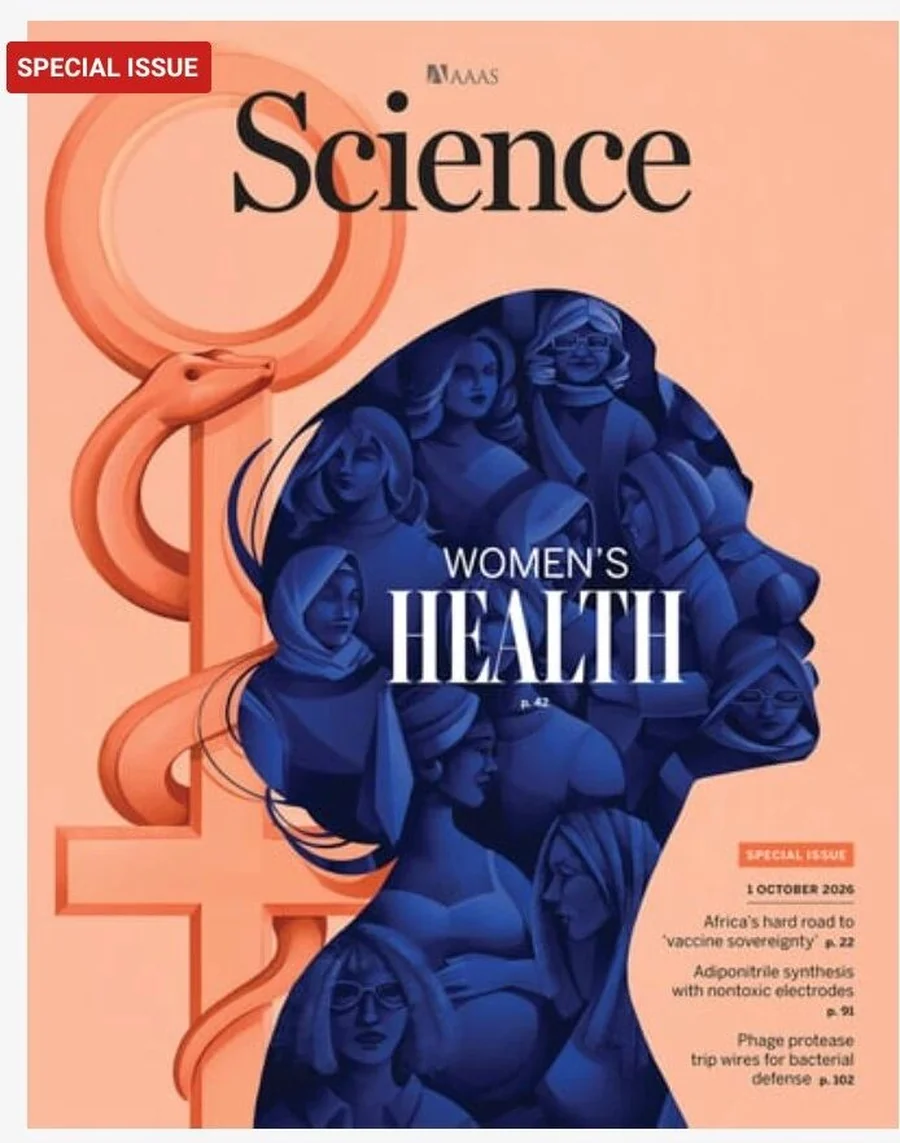
The October 2026 special issue of Science: not a reproductive health issue, but a whole-lifespan one.
1. The Postmenopausal Ovary Has Not Retired
The traditional picture is of an organ that shrinks and stops working. The review argues something more interesting: after menopause the ovary loses its reproductive function but keeps its endocrine and immune-regulatory roles.
There are no follicles left to develop, and the ovary no longer produces oestrogen directly. But under sustained stimulation by FSH and LH, its stromal cells continue to secrete androgens — roughly 20 percent of the androgens circulating after menopause. That contribution helps maintain muscle mass, bone density, libido and physical capacity.
The newer finding concerns immune function. Postmenopausal ovarian tissue is heavily infiltrated by immune cells and releases a range of immune signalling molecules. The ovary becomes, in effect, an immune reservoir — one that participates in the body's chronic low-grade inflammation and in inflammaging.
Curiously, this immune behaviour differs according to how many times a woman has given birth, which suggests that pregnancy leaves a lasting mark on the tissue remodelling of the female body.
The same immune activity cuts both ways. Whether to preserve the ovaries at the time of gynaecological surgery after menopause is therefore not a rule but an individual decision.
2. Menopause Is Three Variables, Not One Event
Women spend close to 40 percent of their lives after menopause. The transition itself can last up to ten years.
It is tempting to think of menopause as menstruation stopping. The evidence points somewhere else: when menopause happens, how it happens, and how heavy the symptoms are act as three independent variables that together shape a woman's long-term ageing trajectory and chronic disease risk. Menopause is not a single age-related event. It is a multi-system remodelling.
The timing matters. The earlier menopause arrives, the higher the long-term risk to bone, the cardiovascular system and cognition. The mode matters too: surgically or medically induced menopause produces an abrupt rather than gradual loss of hormones, and the associated damage is more pronounced than after natural menopause. And symptom burden matters: severe or prolonged hot flushes and night sweats are not merely a quality-of-life problem today, but a biomarker of later chronic disease risk.
The clinical implication is that assessment has to take all three into account — timing, mode and symptom load — and build an individual strategy for healthy ageing rather than a generic one.

Women spend close to four decades of life after menopause. The transition is a remodelling of the whole body, not just the reproductive system.
3. Pain in Women and Men Runs on Different Biology
Chronic pain is far more common in women than in men, and this is not a matter of psychology. It has a biological basis.
Epidemiological data put the prevalence of functional pain disorders in women at roughly twice that of men, and higher still for some conditions. Irritable bowel syndrome, endometriosis, interstitial cystitis, fibromyalgia, menstrual migraine and osteoarthritis are all more common in women.
Only after 2016, when a policy requiring sex to be treated as a biological variable took effect, did research begin to show plainly that the initiation, amplification and resolution of pain follow different biological pathways in men and women.
That has a direct consequence for treatment. Pain medicine needs to become sex-specific. Trials have already shown that some drugs and some cognitive behavioural approaches work differently depending on sex. The next step is to target the pain pathways that are particular to women, with analgesia that is effective without disturbing normal sex hormone physiology.
4. Pregnancy Reboots the Mother's Whole Body
The old account went like this: pregnancy is driven by hormones, and the immune system is suppressed so that the fetus is not rejected. The review reverses the emphasis. The immune system is an active director of the changes that take place across the mother's organs.
During pregnancy, nearly every organ adjusts. Cardiac output rises. The gut dilates earlier and absorbs more nutrients. The liver enlarges physiologically. The breasts prepare for lactation. These are not adjustments that hold the internal environment steady; they are a reset to a new state suited to carrying a child.
What is more striking is that pregnancy leaves a physiological memory. The immune reprogramming of pregnancy leaves long-term epigenetic marks that influence a woman's ageing trajectory from the postpartum period through menopause and into old age. Women who have given birth more than once deliver faster, and their breasts respond more quickly to a subsequent lactation. Changes in the immune cells of breast tissue may even strengthen the ability to resist tumours later on.
Pregnancy and delivery permanently shift the whole-body immune baseline and the level of chronic low-grade inflammation. This helps explain why reproductive history influences the risk of osteoporosis, cardiovascular disease, autoimmune disease and cancer after menopause.
But there is a second edge to the same sword. If immune remodelling during pregnancy fails — as it does in pre-eclampsia or preterm birth — it can leave a persistently raised inflammatory state that accelerates later ageing and brings forward the whole-body changes associated with menopause.
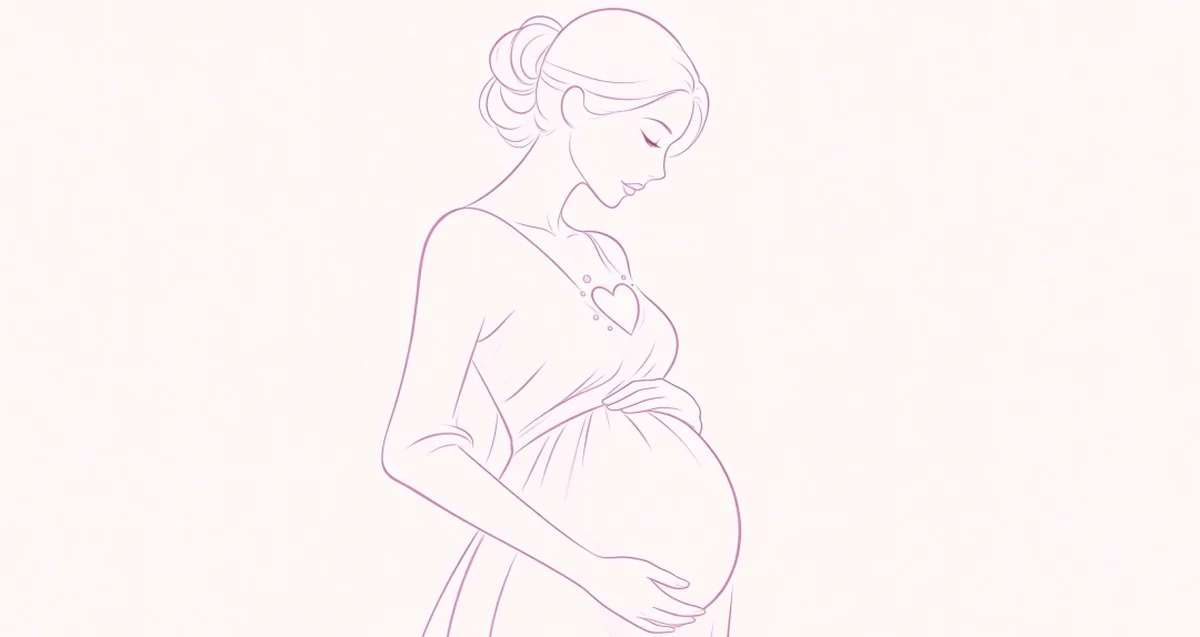
Pregnancy is not a pause in a woman's physiology. It is a reset of it — and it leaves epigenetic marks that last for decades.
5. Some of the Difference Is Written in the X and Y Chromosomes
The conventional explanation for sex differences in health and ageing was hormones. The review points out that the X and Y chromosomes have effects of their own, independent of hormones.
In women, some genes on the second X chromosome escape inactivation and continue to be expressed, raising the dose of certain protective genes and producing cellular mosaicism that may increase resilience to ageing and disease. But the X chromosome is also rich in immune-related genes, which makes women more susceptible to autoimmune conditions — while skewed X inactivation and X loss are associated with brain ageing and leukaemia risk.
In men, the Y chromosome undergoes mosaic loss with age. It is the most common somatic chromosomal change in older men, and it is associated with higher risk of cardiovascular disease, cancer and Alzheimer's disease.
The authors stress that differences between men and women in lifespan, Alzheimer's disease, multiple sclerosis and stroke reflect both hormonal and direct chromosomal contributions. Genuine sex-informed precision medicine therefore has to put X and Y chromosome status into diagnosis, biomarkers and trial design — not look at hormone levels alone.
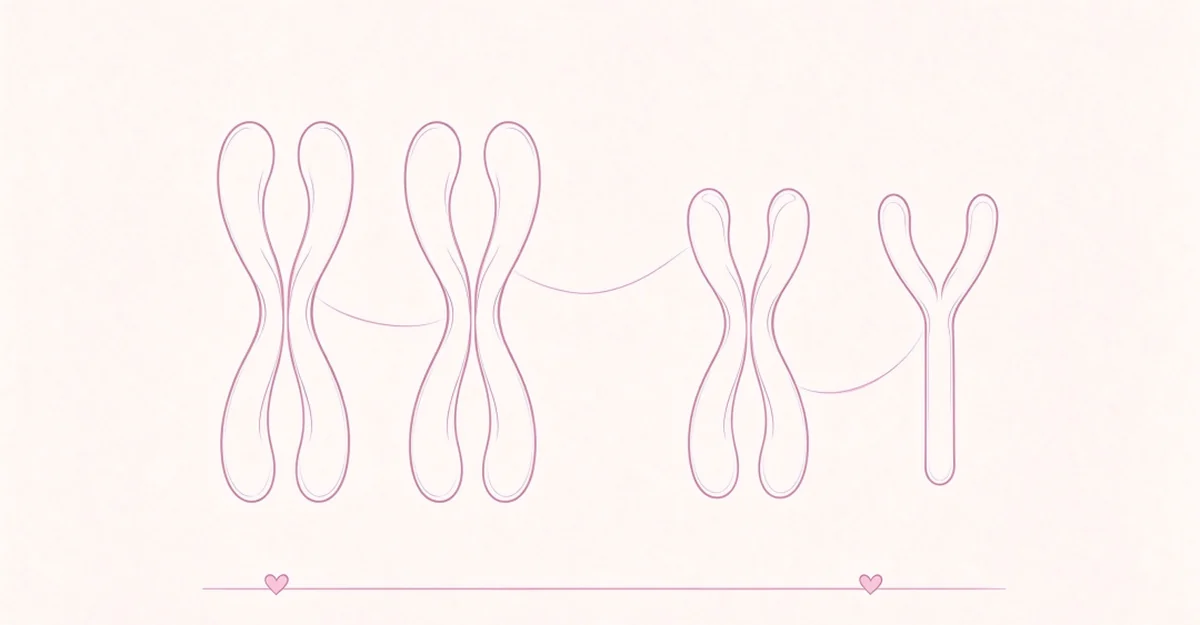
Beyond hormones: X and Y chromosome status belongs in diagnosis, biomarkers and trial design.
The Gynecologist's View: Continuity and Shared Decisions
Against the backdrop of these findings, and in particular the core claim that women's health has to be seen across the whole life course, Dr. Lu makes two recommendations.
1. Find a doctor who knows your whole history
Women should aim to build a continuous, complete health record, and to find a physician who can follow them over the long term and understand their health across the lifespan — treating many gynaecological conditions as the chronic conditions they are. Only a doctor who knows the history well enough can anticipate long-term risk accurately and give advice that is genuinely individual.
2. Balance today's treatment against tomorrow's risk — together
Menopause is the clearest example. The focus of management should not be limited to relieving hot flushes and insomnia now; it needs a lifetime perspective that also weighs the long-term risks of osteoporosis, cardiovascular disease and dementia.
Menopausal hormone therapy carries both benefits and risks, and the variation between individuals is large. An oral preparation, for instance, may improve lipid metabolism while increasing blood viscosity and therefore the thrombotic risk in a woman who already has plaque. There is no standard answer.
What matters is thorough communication and a decision made jointly. The clinician's job is to make the potential benefits and risks — breast cancer and thrombosis among them — fully understandable. The patient's job is to decide in the light of her own circumstances. Only then does care escape the one-size-fits-all approach, and only then does the shift from passively accepting “natural ageing” to actively managing “healthy ageing” become real.
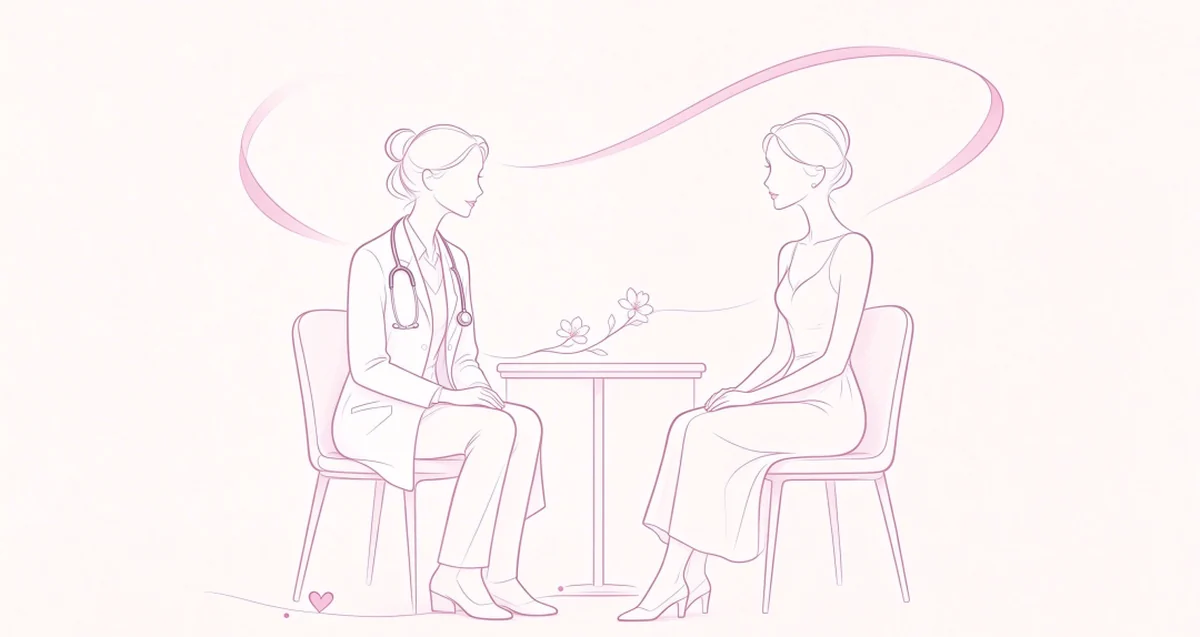
Menopause management has no standard answer. It has a process: full disclosure of benefit and risk, then a decision made together.
What This Means for International Patients
For women travelling to Shanghai for a gynaecological opinion, the practical value of this research is continuity: a single team that can see the whole picture rather than one problem at a time.
- A whole-lifespan assessment, not a single complaint. Jiahui's gynecology service covers general gynaecology, menopausal management, gynaecological oncology, endometriosis, cervical disease and minimally invasive surgery, with imaging and laboratory work on site.
- Bring your history in writing. The dates of your periods and of any menopause transition, previous surgeries (particularly ovarian surgery), hormone treatments, bone density scans and cardiovascular risk factors are what make a long-term plan possible.
- Plan the follow-up before you leave. Menopause and bone health are managed over years. Remote review of scans and laboratory results can usually be arranged for patients who return home.
About the Author

Lu Meng, MD, PhD
Director of Gynecology · Jiahui Health
Dr. Lu Meng is Director of Gynecology at Jiahui Health. Her clinical work covers general gynaecology, family planning, minimally invasive laparoscopic and hysteroscopic surgery, gynaecological oncology, cervical disease and HPV infection, endometriosis, ovarian cysts, abnormal uterine bleeding and uterine fibroids. She practises at Jiahui International Hospital in Shanghai.
A Gynecological Opinion That Looks at the Whole Picture
Jiahui's gynecology team offers whole-lifespan assessment — from cervical screening and endometriosis management to menopause and bone health planning — with imaging, laboratory work and multilingual support on site. Our international patient team speaks more than 20 languages.
Request a ConsultationDisclaimer: This article is based on content originally published by Jiahui Healthcare (嘉会医疗) on WeChat, with commentary from Dr. Lu Meng. It is intended for general health education and does not constitute medical advertising, diagnosis or treatment advice. For diagnosis and treatment, please consult a physician in person.