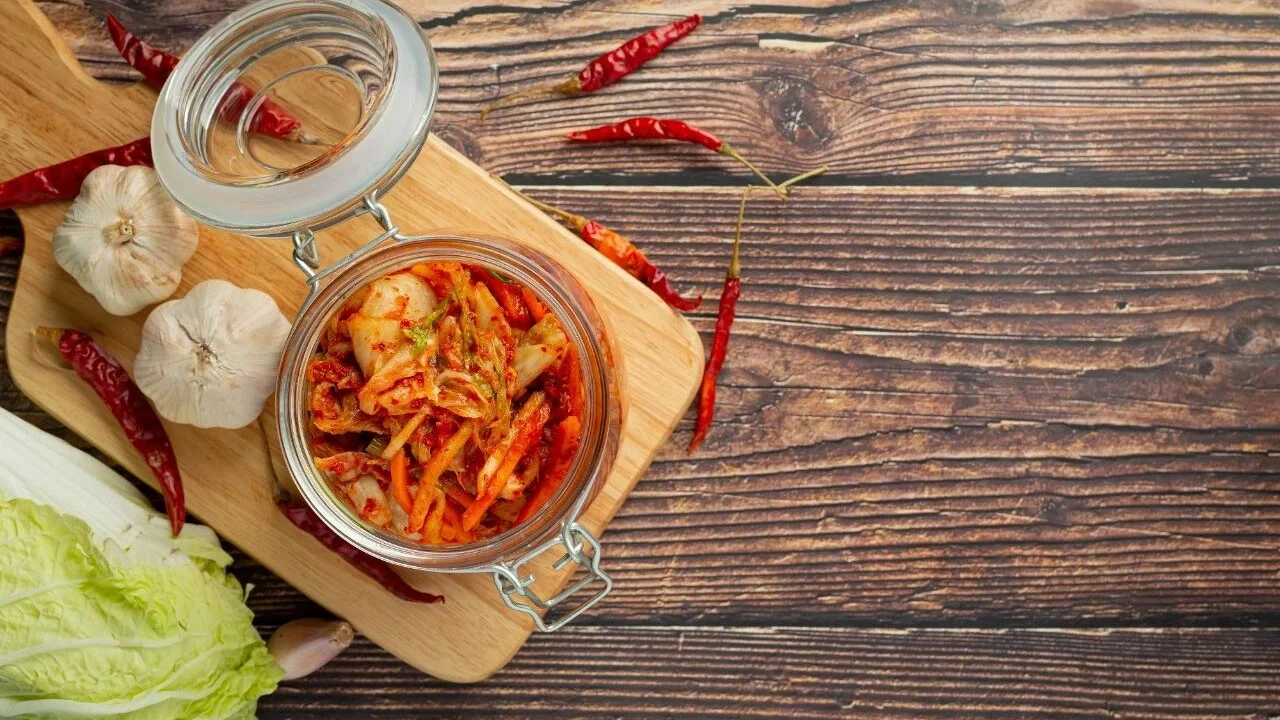
If you love pickled vegetables and strong flavours, this article is for you. Repeated injury to the gastric lining is often the quiet precursor to gastric cancer.
As a nurse who has spent years in the endoscopy suite, looking at one gastroscopy image after another, the strongest impression is this: stomach disease is closely tied to regional eating habits.
In many areas with high gastric cancer incidence, and among patients with recurrent gastric ulcers or erosive gastritis, one habit comes up again and again — years of pickled, high-salt, heavily seasoned food.
People often say these are ordinary home dishes, eaten for generations, so they cannot be a serious problem. Research has shown that long-term consumption of pickled foods can trap the gastric lining in a cycle of damage, repair and renewed damage, moving step by step from inflammation to ulcer and, in some cases, to cancer. Through the endoscope, that damage is visible.
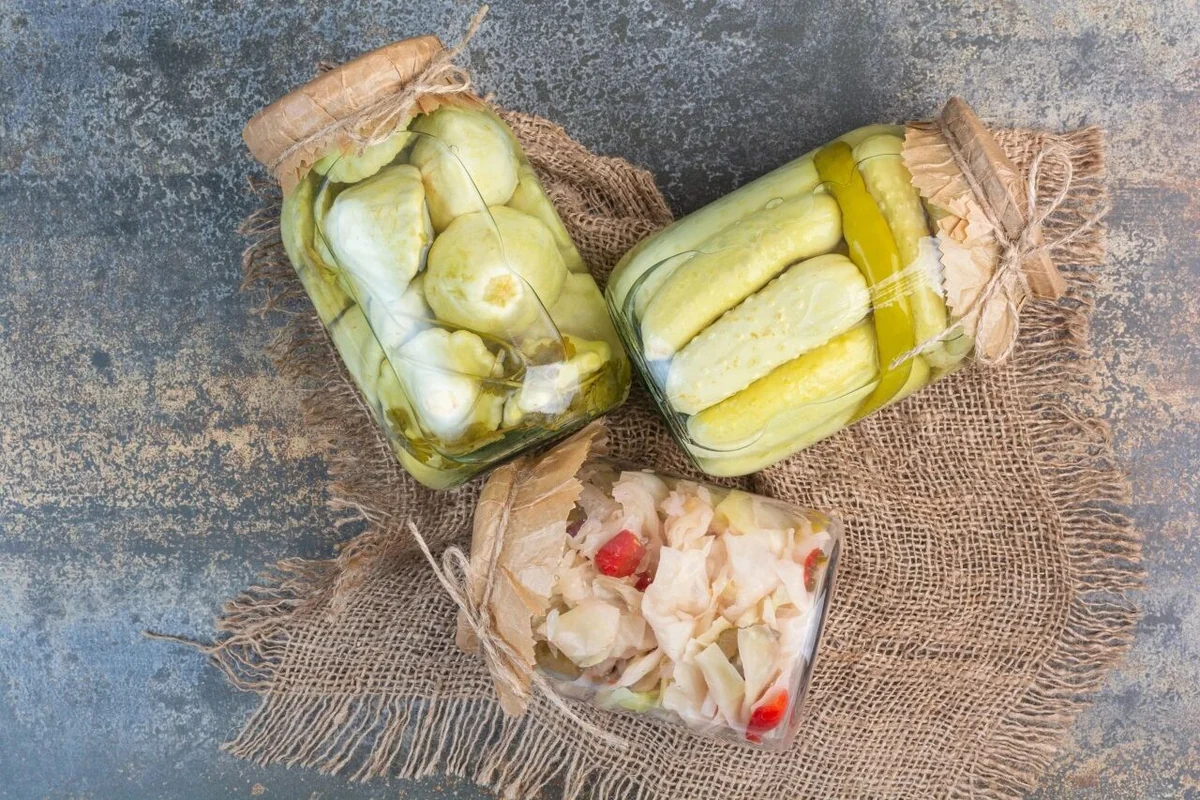
Pickled foods are a regional tradition in many places, but the stomach experiences them as repeated high-salt exposure.
A Continuous Source of Injury
Pickled vegetables, salted sauces, dried salted fish, cured meat and kimchi are generally high in salt, high in nitrite and high in osmotic pressure. The gastric mucosa is an extremely thin protective layer that keeps stomach acid away from the stomach wall. Long-term high-salt stimulation directly damages the integrity of this barrier, causing congestion, swelling and tiny erosions.
An occasional injury can heal. The problem with a habitual regional diet is frequency: the stimulus keeps returning before healing is complete, and the damage becomes chronic rather than isolated.
The Most Dangerous Thing Is Not Stomach Pain
Severe stomach disease rarely appears suddenly. It is built out of years of small injuries that are ignored because they did not hurt enough.
Early stage: chronic superficial gastritis
Continuous irritation produces redness, congestion and pinpoint erosions. Most people have no obvious symptoms and pay no attention, yet the process has already begun.
Middle stage: repeated erosion and gastric ulcer
When the barrier breaks down repeatedly and cannot repair itself, stomach acid reaches the stomach wall and ulcers or multiple erosions form. Endoscopically, many patients with recurring pain, post-meal discomfort, acid reflux or belching show old and new lesions side by side, with an uneven surface and scars coexisting with fresh erosions.
Late stage: non-healing ulcers and precancerous change
Chronic ulcers and repeated inflammation drive abnormal cell growth. The described pathway is chronic superficial gastritis, atrophic gastritis, intestinal metaplasia, dysplasia and then early gastric cancer. Large cohort studies, including analysis based on the China Kadoorie Biobank, have linked long-term consumption of preserved vegetables and regional high-salt dietary patterns with a significantly higher risk of gastric cancer.
Habit matters more than a single meal: the risk comes from daily repetition over years.
High Salt Also Amplifies H. pylori Injury
A high-salt environment supports Helicobacter pylori colonisation and increases bacterial virulence, further aggravating inflammation and accelerating gastric atrophy and disease progression. In other words, eating pickled foods can injure the lining and, at the same time, make an H. pylori infection more damaging. The two effects stack, and the risk rises sharply.
Multiple international epidemiological studies have identified high-salt and salted foods as a clearly modifiable risk factor for gastric cancer. That wording is important: it is a risk factor you can change.
Three Kinds of Pickled Foods to Limit
- Everyday high-salt pickles. Pickled radish, pickled cabbage, salted sauces and kimchi eaten every day keep irritating the lining.
- Cured and salted meats. Cured pork, salted fish, salted meat and sausages tend to be high in nitrite, adding to chronic injury.
- Long-stored or over-fermented products. Foods kept too long, showing mould spots, or homemade without controlled preservation carry the highest risk.
Practical Advice for High-Salt Dietary Regions
You do not have to eliminate these foods completely. The line worth drawing is between an occasional taste and a daily staple. Move pickled dishes from “something with every meal” to “something once in a while”, and you substantially reduce continuous exposure.
If acid reflux, bloating or a dull stomachache appears, treat it as a warning from the lining rather than a nuisance. Lighten the diet and make mealtimes regular early, instead of waiting for it to pass.
For people with a long history of salty, heavy food, a family history of gastric disease, or recurring stomach discomfort, endoscopy every one to three years is worth discussing with a doctor. Early mucosal injury and early precancerous changes can often be found and interrupted through endoscopic screening.

Endoscopy is how a silent process becomes visible, and often how it can still be interrupted.
What This Means for International Patients
- Bring your history of symptoms and family history. Recurrent discomfort, prior ulcer findings and relatives with gastric cancer are what determine whether screening should start earlier.
- Ask about H. pylori testing. Where salted-food habits and H. pylori overlap, testing and treatment are part of a sensible plan rather than an optional extra.
- Plan the interval with your doctor. Screening intervals are individual. Jiahui's gastroenterology and endoscopy team can set one based on your risk profile and previous findings.
About the Reviewer

Zhu Bo, MD, PhD
Gastroenterology · Jiahui Health
Dr. Zhu Bo specialises in gastroenterology at Jiahui Health, with clinics covering gastrointestinal polyps, gastro-oesophageal reflux, constipation, H. pylori infection and gastrointestinal endoscopy. He reviewed the clinical content of this article, which was written by Jiahui's gastroenterology and endoscopy nursing team.
When Was Your Last Gastroscopy?
Jiahui's gastroenterology and endoscopy team offers assessment, H. pylori testing and screening plans tailored to individual risk, with international patient support throughout.
Request a ConsultationDisclaimer: This article was written by the gastroenterology and endoscopy nursing team at Jiahui Health, reviewed by Dr. Zhu Bo, and originally published by Jiahui Healthcare (嘉会医疗) on WeChat. It is intended for general health education and does not constitute medical advertising, diagnosis or treatment advice. Individual risk and screening intervals must be decided with a physician. For diagnosis and treatment, please consult a doctor in person.